

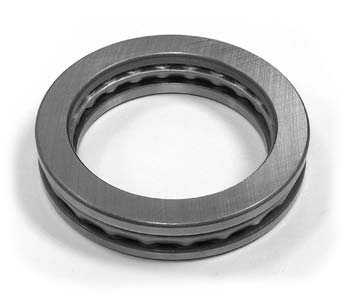
Product Description
Thrust bearing
Frequently Asked Questions
Q: What is the application for part 00591-27498-81 thrust bearing?
A: Part 00591-27498-81 is a thrust bearing designed for fork lift mast assemblies. It is installed in the mast column to support vertical load and handle axial thrust forces during lift and lower operations. This bearing is compatible with multiple fork lift brands including Toyota, Crown, and Raymond models.
Q: What materials and dimensions should I verify before ordering this thrust bearing?
A: Thrust bearing 00591-27498-81 is manufactured from precision-grade steel components designed to OEM specifications. Before ordering, confirm your mast tube inner diameter and the bearing bore diameter match. Verify the load rating requirements of your specific equipment model, as thrust bearings come in different sizes. Cross-reference with your equipment serial number or mast assembly documentation.
Q: What are common failure symptoms of a worn thrust bearing?
A: A failing thrust bearing typically shows grinding or grinding noise during mast extension or retraction, visible axial play when gently moving the mast side to side, uneven lift behavior, or resistance during mast operation. If you notice any of these symptoms, replace the bearing promptly to prevent damage to the mast column and load wheel assembly.
Q: How often should this thrust bearing be replaced or serviced?
A: Thrust bearing lifespan depends on equipment usage intensity and maintenance. In normal warehouse conditions, expect 3 to 5 years of service life. High-cycle environments or wet storage conditions may reduce lifespan. Routine maintenance includes cleaning debris from the mast column and verifying proper hydraulic pressure, which extends bearing life. Replace immediately upon detecting play or noise.
Q: Is installation of 00591-27498-81 a field replacement or requires mast disassembly?
A: Thrust bearing installation on most fork lifts requires partial mast disassembly. You will need to lower the mast fully, remove the mast column fasteners, and slide the mast out. The bearing is typically pressed or bolted into the mast base. Installation steps vary by equipment model, so consult your specific service manual for torque specifications and assembly sequence. Improper installation can cause binding or premature failure.