

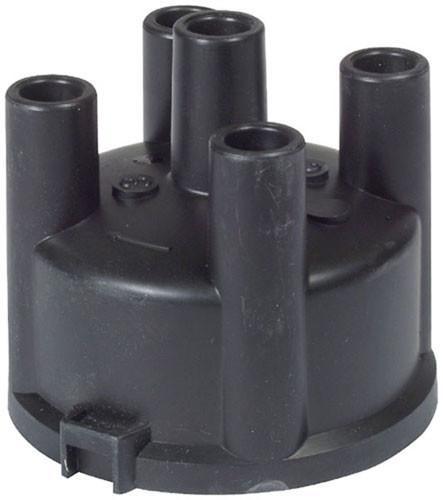
Distributor Cap for Forklift
00591-33658-81
Couldn't load pickup availability
- Expert support & fitment help
- 30-day returns
- Fast Shipping
Compatibility
|
Make |
- |
|---|---|
|
Model |
- |
Visit our diagram page for part references to popular models
Product Description
Distributor cap
Frequently Asked Questions
Q: What is a distributor cap and what is its function?
A: A distributor cap is the plastic housing that covers the rotor and point set inside the distributor on internal combustion forklifts. It directs high-voltage current from the ignition coil to each spark plug in the correct firing order. A damaged or cracked cap causes ignition failure and poor engine performance.
Q: Which forklift brands and models use this distributor cap?
A: This distributor cap fits gasoline and propane forklifts from Crown, Toyota, Raymond, Yale, Hyster, Jungheinrich, Linde, Clark, Mitsubishi, CAT, and BT. Confirm your forklift engine type and distributor model number to ensure correct fitment and electrical compatibility.
Q: What are the contact materials and specifications?
A: Distributor caps feature internal terminals made from brass or other conductive alloys to carry high voltage (typically 10,000 to 40,000 volts). The cap body is molded from temperature-resistant plastic (often phenolic or bakelite) rated for engine compartment heat and moisture. Contact resistance must be minimal to prevent misfire.
Q: What symptoms indicate a failing distributor cap?
A: Common signs of cap failure include hard starting, misfires, rough idle, stalling, weak acceleration, and visible cracks or carbon tracking on the cap. Moisture inside the cap or corroded terminals also cause ignition problems. Engine may run poorly or refuse to start in damp conditions.
Q: How often should a distributor cap be replaced?
A: Distributor caps typically last 8,000 to 15,000 operating hours on forklifts. Replace the cap if you notice cracks, pitting inside terminals, carbon tracking, or corrosion. Many technicians replace caps and rotors together as preventive maintenance during major tune-ups.