

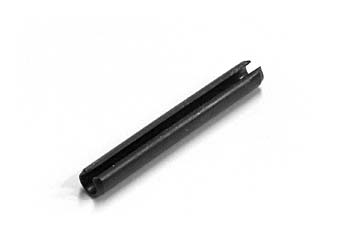
Roll Pin for Forklift
22132
Couldn't load pickup availability
- Expert support & fitment help
- 30-day returns
- Fast Shipping
Compatibility
|
Make |
- |
|---|---|
|
Model |
- |
Visit our diagram page for part references to popular models
Product Description
Roll pin
Frequently Asked Questions
Q: What is the diameter and length of the 22132 roll pin?
A: The 22132 is a roll pin (also called a spring pin or cylindrical pin) used in forklift drive and steering mechanisms. Verify the exact diameter and length specifications with your forklift manual or the component it secures. Roll pins are typically 5/16 inch or 3/8 inch diameter and vary in length depending on assembly location.
Q: Which forklift brands use the 22132 roll pin?
A: The 22132 is compatible with multiple forklift manufacturers including Toyota, Crown, Yale, Hyster, Raymond, and Clark models. Fitment depends on the specific equipment model and year. Always confirm compatibility by matching your equipment model and serial number against the part specification before ordering.
Q: What material is the 22132 roll pin made from?
A: Roll pins are typically manufactured from spring steel with a hardened surface to withstand shear and bending loads common in forklift steering and drivetrain applications. The spring design allows the pin to flex slightly, distributing stress and providing a secure, reusable fastening method.
Q: Can I reuse a roll pin after removing it during service?
A: Roll pins are generally one-time use fasteners. Once removed, the spring tension may be compromised and the pin loses its ability to lock securely in the bore hole. For safety and operational reliability, always replace roll pins with new ones during any assembly or disassembly.
Q: What causes roll pin failure in forklifts?
A: Roll pin failure typically results from excessive shear stress, impact loads, or corrosion. If you are experiencing repeated pin failures, the underlying issue is usually misalignment of mating components, incorrect shaft sizing, or overloading beyond the equipment capacity. Address the root cause rather than replacing pins repeatedly.