

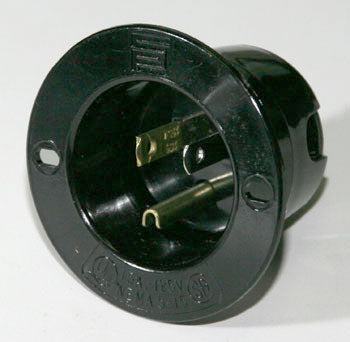
Product Description
FLANGED INLET
Specifications
Product Overview
| Product Type | Flanged Inlet Connection |
Physical Specifications
| Material | Cast Ductile Iron or Aluminum Alloy |
| Thread Type | SAE or ISO (verify with equipment specs) |
| Pressure Rating | Varies by system (typically 2500-4000 psi) |
| Connection Style | Flanged with threaded or bolt-down attachment |
| Typical Application | Pump inlet, motor circuit, pressure line connections |
Compatibility
| Application | Electric Lift Truck Hydraulic Systems |
| Compatible Brands | Toyota, Crown, Jungheinrich, Linde, BT, Hyster, Raymond |
Frequently Asked Questions
Q: What is the 221407 flanged inlet used for in electric lift trucks?
A: The 221407 flanged inlet is a hydraulic or pneumatic connection component used in electric lift truck hydraulic systems, typically as part of pump assemblies, motor circuits, or pressure line connections. The flanged design provides a secure threaded or bolt-down attachment point in the hydraulic circuit.
Q: What are the port size and thread specifications for the 221407?
A: Flanged inlet specifications vary based on system requirements. Verify the thread size (SAE or ISO), port diameter, and flange bolt pattern with your specific lift truck model documentation. Mismatched port sizes will result in leaks and system failure. Always measure existing components before ordering replacement inlets.
Q: Which electric lift truck brands are compatible with the 221407 flanged inlet?
A: The 221407 is suitable for use in electric lift trucks from manufacturers including Toyota, Crown, Jungheinrich, Linde, and BT. Compatibility depends on your specific model year and hydraulic circuit configuration. Always cross-reference your equipment OEM part number to ensure fitment.
Q: What material is the 221407 inlet made from and why?
A: Flanged inlets are typically cast ductile iron or aluminum alloy, chosen for their ability to withstand pressure cycling and provide reliable sealing surfaces. The material selection depends on system pressure rating and operational environment. Ductile iron handles higher pressures; aluminum is used in lower-pressure circuits for weight reduction.
Q: How do I know if the 221407 inlet is leaking or needs replacement?
A: Signs of inlet failure include visible hydraulic fluid weeping around the inlet connection, reduced system pressure, or loss of hydraulic fluid level without visible external leaks. A faulty inlet can allow air into the hydraulic circuit, causing erratic lift or control issues. Inspect connection threads for corrosion or damage if leaking occurs.