

Contact Kit for Pallet Jacks
2309677
Couldn't load pickup availability
- Expert support & fitment help
- 30-day returns
- Fast Shipping
Compatibility
|
Make |
- |
|---|---|
|
Model |
- |
Visit our diagram page for part references to popular models
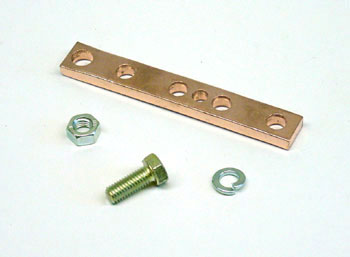
Product Description
Contact kit
Specifications
Product Overview
| Product Type | Contact Kit |
Physical Specifications
| Contact Material | Silver alloy or copper alloy |
| Typical Lifespan | 1-3 years in high-duty applications; varies by switching frequency and electrical load |
Compatibility
| Application | Electric lift truck control circuits, switches, solenoids, motor contactors, relay assemblies |
| Equipment Category | Electric pallet jacks and electric forklifts |
| Replacement Criteria | Replace when electrical testing shows resistance increase or visible contact erosion is present |
Frequently Asked Questions
Q: What is the 2309677 contact kit used for?
A: The 2309677 is a contact kit containing replacement electrical contacts for electric lift truck control circuits. It restores electrical conductivity in switches, solenoids, motor contactors, or relay assemblies when original contacts become worn or damaged.
Q: Is the 2309677 contact kit compatible with the 2308823?
A: While both are contact kits for electric lift trucks, they may fit different applications or truck models. Verify that the 2309677 matches your specific truck brand, model, voltage system, and control component before ordering.
Q: What is the voltage and amperage rating of the 2309677 contact kit?
A: The voltage and amperage ratings are specific to your truck control system. Contact us with your truck model and electrical specification to confirm the correct kit for your application.
Q: What material are the contacts in the 2309677 kit?
A: Contacts are manufactured from silver alloy, copper alloy, or similar conductive materials that provide low electrical resistance and withstand repeated make-break cycles in truck control circuits.
Q: How long do the 2309677 contacts typically last?
A: Contact lifespan depends on switching frequency and electrical load. In high-duty electric lift truck applications, contacts may last 1 to 3 years before becoming pitted or eroded. Replace when electrical testing shows resistance increase or visible contact erosion is present.