

Forklift Jack with 8800 Capacity - Heavy Duty Equipment
2I4620
Couldn't load pickup availability
- Expert support & fitment help
- 30-day returns
- Fast Shipping
Compatibility
|
Make |
- |
|---|---|
|
Model |
- |
Reference Diagrams
Visit our diagram page for part references to popular models
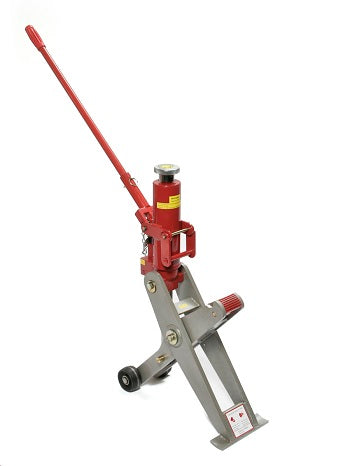
Product Description
Forklift jack (8,800 capacity)
Frequently Asked Questions
Q: What is the load capacity of the 2I4620 forklift jack?
A: The 2I4620 forklift jack is rated for an 8,800-pound load capacity. Never exceed this rating, as overloading causes hydraulic seal failure, piston rod damage, and loss of lifting function. Always verify the net weight of your load before engaging the jack.
Q: What type of jack is the 2I4620 and how does it function?
A: The 2I4620 is a hydraulic lifting jack designed for forklift and material handling equipment. It uses pressurized hydraulic fluid to extend a piston rod, raising the load. It is typically mounted within the mast assembly to actuate the forks vertically. The jack requires regular hydraulic fluid level checks and seal inspection.
Q: Which lift truck brands use the 2I4620 jack?
A: The 2I4620 is compatible with various OEM brands including Caterpillar, Toyota, Raymond, Crown, Yale, and Hyster forklifts. Verify your equipment model and mast height designation to confirm fitment. Mounting bore size, port thread pitch, and stroke length must match your lift truck specifications.
Q: What symptoms indicate the 2I4620 jack is failing?
A: Common failure signs include slow or sluggish lifting, inability to reach full height, external leakage around the rod seal or base connection, and noise during extension. Contaminated hydraulic fluid, internal seal degradation, and piston rod scoring are typical causes of these symptoms.
Q: What maintenance is required for the 2I4620 hydraulic jack?
A: Check hydraulic fluid level and condition monthly. Keep the piston rod free of dirt and debris. Inspect rod seals and port connections for leakage. Replace hydraulic fluid according to OEM recommendations, typically every 1,000-2,000 operating hours. Perform pressure tests annually to verify performance.

