

Bearing Assembly
4-M-2995
Guaranteed Fit. Check fit with us before you buy. If we confirm it fits your machine and it doesn’t, we’ll exchange or refund it: no restocking fee, return shipping on us. How it works
Not sure it fits? Send us your make, model and serial number and we’ll check it before you buy.
Couldn't load pickup availability
- Expert support & fitment help
- 30-day returns
- Fast Shipping
Compatibility
|
Make |
- |
|---|---|
|
Model |
- |
Visit our diagram page for part references to popular models
Product Description
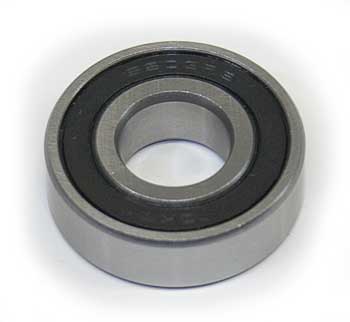
BEARING assembly
Specifications
Product Overview
| Product Type | Bearing Assembly |
Physical Specifications
| Material | Bearing-grade steel with load-rated components |
| Duty Cycle | Designed for repeated material handling cycles |
| Inspection Requirement | Regularly inspect for lubrication adequacy, contamination, and visible damage |
Compatibility
| Application | Manual pallet jacks, load wheels, steering axles |
Frequently Asked Questions
Q: What is the 4-M-2995 bearing assembly used for?
A: The 4-M-2995 is a bearing assembly for manual pallet jack applications. This unit provides rotational support for load wheels and steering components, enabling smooth and controlled equipment operation.
Q: Which pallet jack models use the 4-M-2995 bearing assembly?
A: The 4-M-2995 bearing assembly is compatible with various manual pallet jack models across multiple manufacturers including Crown, Toyota, Raymond, and Yale. Confirm your equipment model and bearing specifications before ordering to ensure correct fitment.
Q: What material composition does the 4-M-2995 bearing assembly have?
A: The 4-M-2995 is engineered with bearing-grade materials selected for load capacity and wear resistance in material handling service. The assembly is designed to withstand repeated cycles and operational stress typical of pallet jack use.
Q: What maintenance is required for the 4-M-2995 bearing assembly?
A: Inspect the bearing assembly regularly for contamination, insufficient lubrication, or visible damage. Maintain proper lubrication according to equipment specifications. Replace the bearing if you observe noise, drag, or looseness. Proper maintenance maximizes component lifespan and ensures safe equipment operation.
Q: How do I diagnose bearing failure in the 4-M-2995?
A: Bearing failure typically manifests as grinding or squealing noises, increased effort required to move equipment, visible play in the assembly, or metal particles in bearing lubricant. Any of these conditions requires immediate replacement to prevent additional wear to connected load wheels and lift mechanisms.