

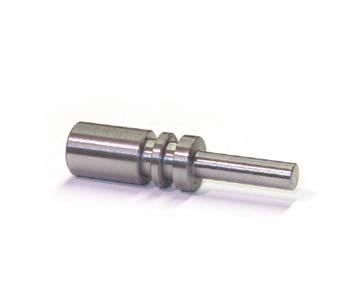
Product Description
RELEASE VALVE
Frequently Asked Questions
Q: What does the 401066 release valve do?
A: The 401066 is a hydraulic release valve for manual pallet jack lift systems. It controls pressure relief and allows controlled lowering of the load. The valve prevents excessive buildup of hydraulic pressure and enables smooth, controlled descent of the mast.
Q: Which manual pallet jack models use the 401066 release valve?
A: The 401066 is compatible with manual pallet jacks from Crown, Toyota, Raymond, Yale, Hyster, and other standard OEM manufacturers. Verify your equipment model and lift pump type before ordering, as valve specifications vary by pump displacement and system pressure rating.
Q: What are the specifications and pressure ratings for the 401066?
A: The 401066 release valve is designed for standard hydraulic circuits in manual pallet jacks, typically rated for pressures between 2000 to 3000 PSI depending on equipment class. Port sizes and connection types vary by application. Contact us with your equipment model for exact pressure rating and thread specifications.
Q: How long does the 401066 release valve last?
A: Under normal operating conditions with clean hydraulic fluid, the 401066 valve lasts many years. Heavy use, contaminated fluid, or debris in the hydraulic system reduces lifespan. Replace the valve if lowering becomes sluggish, uncontrollable, or if the pallet jack will not lower at all.
Q: What maintenance does the 401066 release valve require?
A: Keep the hydraulic fluid clean and at the correct level. Inspect the valve and surrounding connections for leaks monthly. If the jack lowers too slowly, too fast, or not at all, the valve may be stuck or worn and should be replaced. Do not attempt to repair internal valve mechanisms.
Q: What are signs the 401066 valve needs replacement?
A: Replace the 401066 if the load lowers too quickly without operator control, descends too slowly despite repeated pump strokes, does not lower at all, or if hydraulic fluid leaks from the valve body. These symptoms indicate internal wear or damage to the relief mechanism.