

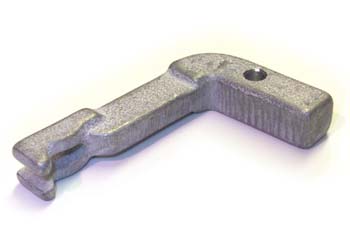
Lever/Release Valve for Manual Pallet Jack
40614
Guaranteed Fit. Check fit with us before you buy. If we confirm it fits your machine and it doesn’t, we’ll exchange or refund it: no restocking fee, return shipping on us. How it works
Not sure it fits? Send us your make, model and serial number and we’ll check it before you buy.
Couldn't load pickup availability
- Expert support & fitment help
- 30-day returns
- Fast Shipping
Compatibility
|
Make |
- |
|---|---|
|
Model |
- |
Visit our diagram page for part references to popular models
Product Description
LEVER/RELEASE VALVE
Frequently Asked Questions
Q: What does the 40614 lever and release valve assembly do?
A: The 40614 lever and release valve assembly controls hydraulic pressure in the pallet jack system. The lever actuates the pump, while the valve releases pressure to allow controlled lowering of loads.
Q: Which pallet jack models fit the 40614 assembly?
A: The 40614 is compatible with manual and low-lift pallet jacks from Crown, Toyota, Raymond, Yale, Hyster, and Linde. Confirm your specific equipment model and serial range for fitment.
Q: What materials are used in the 40614 lever and release valve?
A: The assembly combines hardened steel or ductile iron for the lever with precision-machined brass or steel valve internals. These materials withstand hydraulic pressure cycles and prevent premature wear.
Q: How do I diagnose if the 40614 assembly is failing?
A: Symptoms include loads that do not raise smoothly, uncontrolled descent, inability to hold load, hydraulic fluid leaks at the connection point, or a stuck or hard-to-operate lever.
Q: What is the expected lifespan of the 40614 assembly?
A: With proper maintenance and normal warehouse use, the 40614 should last several years. Lifespan depends on load frequency, cleanliness of hydraulic fluid, and regular inspection for seal wear or internal valve degradation.