

Product Description
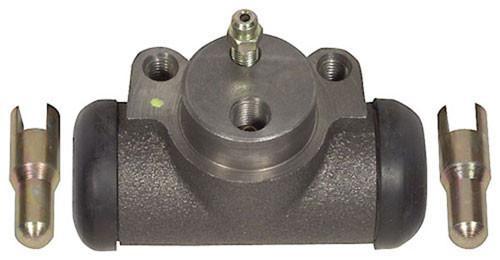
Wheel cylinder
Frequently Asked Questions
Q: What equipment does the 47410-32500 wheel cylinder fit?
A: The 47410-32500 is a forklift wheel cylinder compatible with various material handling equipment from Crown, Toyota, Raymond, Yale, Hyster, and other major OEM manufacturers. Confirm your equipment model and specifications match before ordering.
Q: What are the specifications and dimensions of the 47410-32500?
A: This wheel cylinder features specific bore, rod, and stroke dimensions designed for particular forklift models. Verify bore diameter, rod diameter, mounting hole configuration, and port thread size against your equipment documentation.
Q: Can the 47410-32500 be used as a replacement for other wheel cylinders?
A: Only if dimensions, pressure rating, and mounting configuration match your equipment exactly. Using an incorrect cylinder causes leaks, poor load handling, and potential safety hazards. Verify fitment carefully before ordering.
Q: What is the typical lifespan of the 47410-32500?
A: Service life typically ranges from 5 to 12 years depending on duty cycle, hydraulic fluid quality, environmental conditions, and maintenance practices. Seals usually wear before the cylinder body and often require replacement.
Q: What maintenance helps prevent premature failure of the 47410-32500?
A: Maintain proper hydraulic fluid levels and cleanliness. Monitor for external leaks at rod seals and cylinder ports. Replace fluid according to equipment maintenance schedules. Contaminated fluid accelerates seal wear and internal corrosion.