

Tension Bar End
760-1115
Couldn't load pickup availability
- Expert support & fitment help
- 30-day returns
- Fast Shipping
Compatibility
|
Make |
- |
|---|---|
|
Model |
- |
Visit our diagram page for part references to popular models
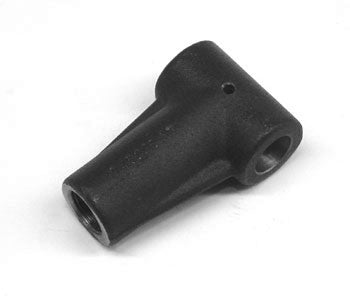
Product Description
TENSION BAR END
Frequently Asked Questions
Q: What is the 760-1115 tension bar end used for?
A: The 760-1115 is a tension bar end component that connects and aligns the mast tension system in electric lift trucks. It maintains proper fork parallelism and load distribution during lifting cycles. The part is critical for safe load handling and mast stability.
Q: Which electric lift truck models use the 760-1115?
A: The 760-1115 tension bar end is compatible with electric lift trucks from Crown, Toyota, Raymond, and Jungheinrich. Compatibility is specific to mast design and load class. Verify your equipment serial number and OEM documentation before ordering.
Q: What materials is the 760-1115 made from?
A: The 760-1115 is constructed from alloy steel with precision machining to ensure tight tolerances at connection points. The material resists deformation under tension load and maintains dimensional stability across temperature ranges in cold storage and outdoor use.
Q: Are there cross-reference part numbers for the 760-1115?
A: The 760-1115 is our house brand SKU for this tension bar end assembly. OEM equivalents vary by manufacturer and equipment model. Provide your equipment model and original part number for cross-reference verification and compatibility confirmation.
Q: What symptoms indicate the 760-1115 needs replacement?
A: Replace the 760-1115 if you observe uneven fork alignment, tilting during lift, creaking or clicking in the mast assembly, or visible cracks in the connection end. Loss of tension control directly affects load safety and mast integrity.
Q: How long does the 760-1115 typically last?
A: In normal warehouse operation, the 760-1115 has a service life of 4-6 years before material fatigue or wear requires replacement. Frequent load cycling, overload events, or rough handling reduce lifespan. Proper maintenance and load management extend component life.