

Nylon Roller for Forklift
781042
Couldn't load pickup availability
- Expert support & fitment help
- 30-day returns
- Fast Shipping
Compatibility
|
Make |
- |
|---|---|
|
Model |
- |
Visit our diagram page for part references to popular models
Product Description
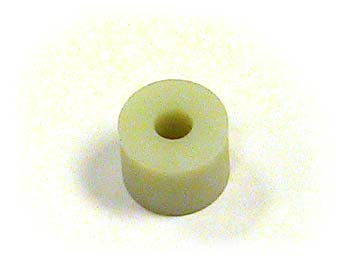
Nylon roller
Frequently Asked Questions
Q: What equipment types does the 781042 nylon roller fit?
A: The 781042 is a nylon roller wheel assembly used on manual pallet jacks, hand trucks, and electric material handling equipment from Crown, Toyota, Raymond, and similar manufacturers. Verify your equipment model and load wheel specifications match before ordering to confirm compatibility.
Q: What are the specifications and dimensions of the 781042 nylon roller?
A: The 781042 is a nylon-compound load wheel designed for standard pallet jack applications. Confirm the wheel diameter, bearing bore size, and axle width match your equipment specifications. Nylon rollers are lighter than polyurethane and provide adequate performance on smooth indoor warehouse floors.
Q: How long does a nylon roller like the 781042 typically last?
A: Nylon rollers typically provide 2 to 4 years of service life under normal warehouse conditions. Lifespan depends on load frequency, floor surface type, and storage environment. Rough or outdoor floors accelerate wear. Replace when the wheel surface becomes flat, cracked, or begins to wobble.
Q: Why would I choose a nylon roller instead of polyurethane?
A: Nylon rollers are less expensive than polyurethane and work well on smooth, clean indoor warehouse floors. They are lighter and produce less resistance than polyurethane. However, nylon offers less traction and wears faster on rough surfaces, ramps, or wet floors. Polyurethane wheels are better for wet floors and cold storage.
Q: Can I replace just one wheel or must I replace all four on my pallet jack?
A: You can replace individual wheels as they wear, but for balanced operation and consistent handling characteristics, it is recommended to replace all four wheels at the same time if wear is uneven. Mixing worn and new wheels can create steering issues and increase uneven tire wear.
Q: What signs indicate the 781042 nylon roller needs replacement?
A: Replace the nylon roller when you observe a flat spot or significant wear pattern on the wheel surface, visible cracks in the nylon, the wheel wobbles or spins unevenly, or the jack becomes difficult to push or steer. These symptoms indicate reduced floor contact and compromised load control.