

Roll Pin
906070010
Couldn't load pickup availability
- Expert support & fitment help
- 30-day returns
- Fast Shipping
Compatibility
|
Make |
- |
|---|---|
|
Model |
- |
Visit our diagram page for part references to popular models
Product Description
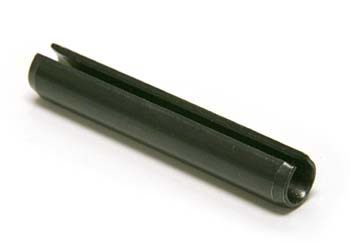
Roll pin
Specifications
Product Overview
| Product Type | Roll Pin / Spring Pin |
Physical Specifications
| Material | Spring Steel or Alloy Steel |
| Finish | Zinc Plated |
| Function | Removable Fastener / Component Alignment |
| Corrosion Resistance | Zinc-plated finish for standard indoor use |
Compatibility
| Applications | Pallet Jack Assemblies, Lift Truck Components |
Frequently Asked Questions
Q: What is a roll pin and what does it do in material handling equipment?
A: A roll pin is a spring-loaded cylindrical fastener used to hold components in alignment on pallet jacks, lift trucks, and other material handling equipment. It provides a removable connection point that can be easily disassembled without tools in many applications.
Q: Can SKU 906070010 roll pin be used as a direct replacement across different lift truck brands?
A: Yes, roll pins are standardized fasteners. SKU 906070010 is compatible with multiple lift truck manufacturers including Crown, Toyota, Raymond, Yale, Hyster, and Clark equipment. Verify the pin diameter and length match your specific equipment before ordering.
Q: What materials are roll pins made from and how long do they typically last?
A: Roll pins are typically manufactured from spring steel or alloy steel with zinc plating for corrosion resistance. Under normal conditions in material handling operations, a roll pin lasts 3 to 5 years. Harsh environments, repetitive stress, or exposure to moisture can reduce lifespan.
Q: What causes a roll pin to fail prematurely?
A: Premature failure occurs from corrosion in wet or cold storage environments, incorrect pin size causing loose fit, repeated bending from misalignment, or excessive shear stress from overloaded equipment. Replace the pin if it becomes bent, cracked, or loses tension.
Q: How do I know if I need to replace the roll pin on my equipment?
A: Replace the roll pin if you observe visible rust or corrosion, if the pin no longer holds components securely in place, if there is abnormal movement or rattle between connected parts, or if the pin appears bent or deformed during inspection.