

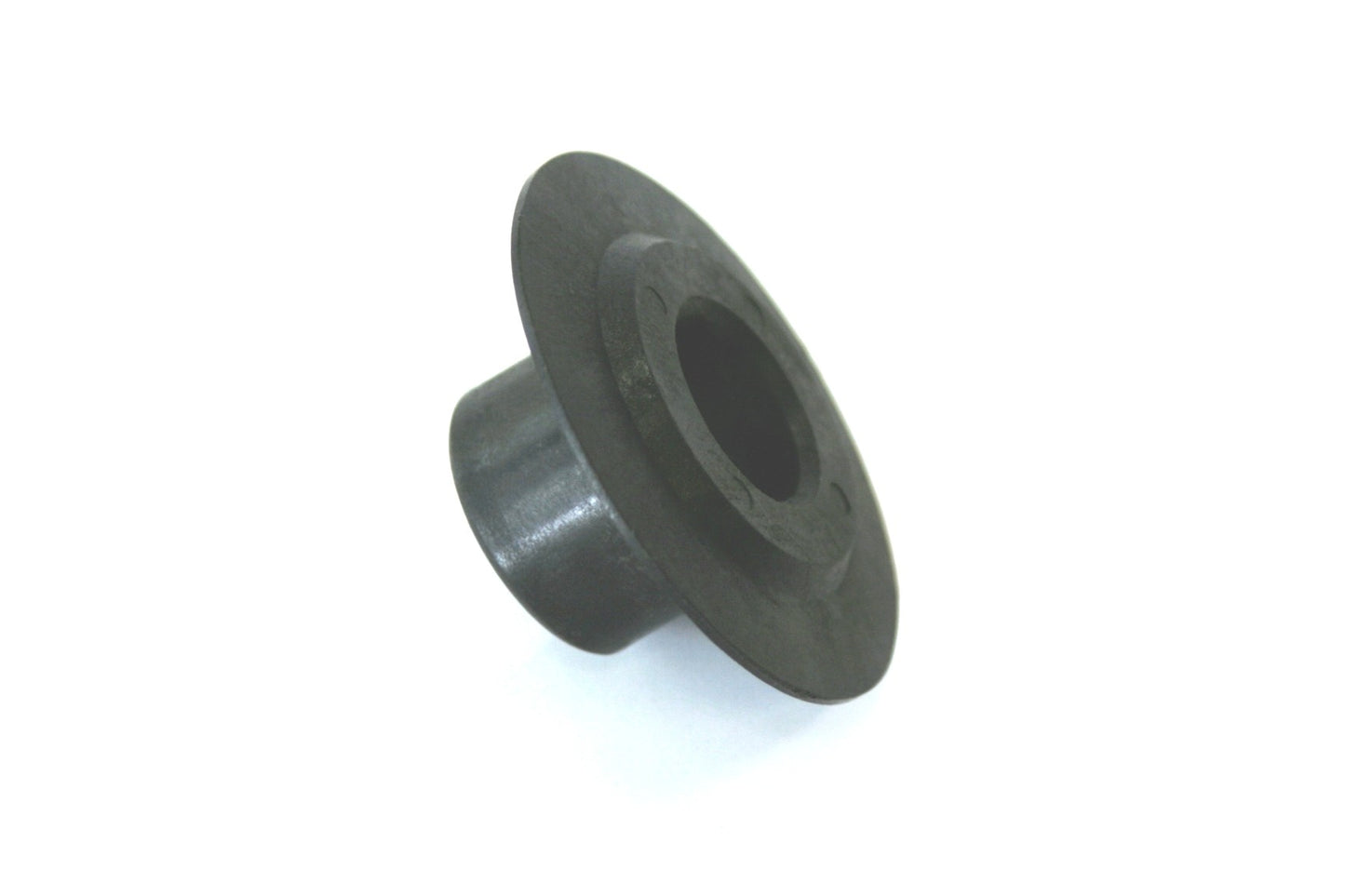
Bushing Washer Load Wheel
94MWSTRS163-1
Couldn't load pickup availability
- Expert support & fitment help
- 30-day returns
- Fast Shipping
Compatibility
|
Make |
- |
|---|---|
|
Model |
- |
Reference Diagrams
Visit our diagram page for part references to popular models
Product Description
Bushing/washer load wheel
Specifications
Product Overview
| Product Type | Bushing and Washer Assembly |
Physical Specifications
| Primary Material | Metal Washer + Self-Lubricating or Bronze Bushing |
| Primary Function | Bearing Surface and Lateral Spacer |
| Wear Characteristics | Reduces axle friction, extends wheel life |
Compatibility
| Application | Load Wheel Axle Bearing |
| Equipment Compatibility | Electric Pallet Jacks, Manual Pallet Jacks, Lift Trucks |
| Compatible Manufacturers | Crown, Toyota, Raymond, Yale, Hyster |
| Replacement Indicators | Wheel wobble, steering resistance, visible wear |
Frequently Asked Questions
Q: What is the 94MWSTRS163-1 bushing/washer load wheel component?
A: The 94MWSTRS163-1 is a bushing and washer assembly for load wheel axles in pallet jacks and lift trucks. It serves as a bearing surface and spacer between the wheel and frame, allowing smooth rotation while maintaining lateral positioning.
Q: Which equipment types use the 94MWSTRS163-1?
A: The 94MWSTRS163-1 is compatible with electric and manual pallet jacks, straddle carriers, and low-profile lift trucks from Crown, Toyota, Raymond, Yale, and Hyster. Verify your equipment model and axle bore diameter before ordering.
Q: What materials does the 94MWSTRS163-1 bushing contain?
A: The 94MWSTRS163-1 combines a metal washer with a self-lubricating or bronze bushing material for low-friction, wear-resistant operation. The bushing reduces axle friction and extends load wheel life in high-cycle applications.
Q: When should the 94MWSTRS163-1 be replaced?
A: Replace the 94MWSTRS163-1 when you observe wheel wobble, steering resistance, uneven wear on load wheels, or visible bushing wear. Worn bushings reduce steering precision and increase component stress. Preventive replacement during wheel service intervals improves equipment reliability.

