

Bearing Assembly for Manual Pallet Jack
97140-06205-71
Guaranteed Fit. Check fit with us before you buy. If we confirm it fits your machine and it doesn’t, we’ll exchange or refund it: no restocking fee, return shipping on us. How it works
Not sure it fits? Send us your make, model and serial number and we’ll check it before you buy.
Couldn't load pickup availability
- Expert support & fitment help
- 30-day returns
- Fast Shipping
Compatibility
|
Make |
- |
|---|---|
|
Model |
- |
Visit our diagram page for part references to popular models
Product Description
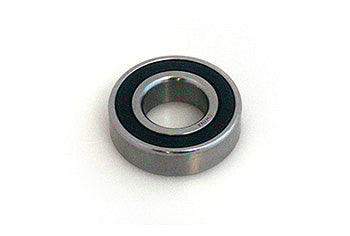
97140-06205-71 BEARING assembly for manual pallet jack, manufactured by Liftsplus.com. Deep groove ball bearing, 20 mm bore, 47 mm outer diameter, 14 mm width. Precision-ground, double contact seal. Compatible with Liftsplus.com manual pallet jack wheel and axle assemblies. No cross-reference or superseding part numbers available.
Specifications
Material
| Material Specification | Bearing steel per ISO 683-17 |
| Hardness | Brinell hardness 180 minimum |
| Finish | Ground raceways, precision machined to tolerance |
Part Numbers
| Manufacturer Part Number | 97140-06205-71 |
Frequently Asked Questions
Q: What are the exact dimensions of bearing 97140-06205-71?
A: Bearing 97140-06205-71 is a deep groove ball bearing with a 20 mm bore diameter, 47 mm outer diameter, and 14 mm width. These dimensions are critical for axle and wheel assembly fitment. Do not order without confirming these specifications match your equipment.
Q: What material is bearing 97140-06205-71 made from?
A: This bearing is manufactured from bearing steel per ISO 683-17 specification with a minimum Brinell hardness of 180. Ground raceways are precision machined to tolerance. These properties ensure load capacity and durability in manual pallet jack wheel and axle applications.
Q: Does 97140-06205-71 have a seal?
A: Yes, bearing 97140-06205-71 features a double contact seal. This design protects internal rolling elements from contamination in warehouse, wet floor, and outdoor environments while maintaining smooth rotation.
Q: What equipment models use bearing 97140-06205-71?
A: This bearing is designed for manual pallet jack wheel and axle assemblies. Verify your equipment model matches this specification before ordering. No cross-reference or superseding part numbers are available from manufacturer-validated sources.
Q: How do I know if bearing 97140-06205-71 needs replacement?
A: Replace this bearing if you notice squeaking, grinding noise, excess wheel wobble or play, or resistance to rotation. Damaged or worn bearings reduce load capacity and create safety hazards. Inspect bearings annually or after heavy use.