

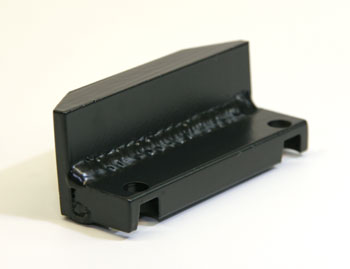
Wear Plate Weldment
A000036542
Couldn't load pickup availability
- Expert support & fitment help
- 30-day returns
- Fast Shipping
Compatibility
|
Make |
- |
|---|---|
|
Model |
- |
Visit our diagram page for part references to popular models
Product Description
Wear plate weldment
Specifications
Part Numbers & Compatibility
| Application | Electric and Manual Pallet Jacks |
Additional Specifications
| Component Type | Wear Plate Weldment |
| Material Composition | Hardened Steel Plate with Welded Backing Support |
| Primary Function | Mast and Lift Mechanism Protection |
| Wear Surface | Hardened Steel (resists abrasive wear) |
| Joint Type | Welded Assembly |
| Expected Service Life | 3-7 years (depends on usage hours and operating conditions) |
| Replacement Criteria | Visible cracks in weld line, deep gouges, or metal loss exceeding 1/8 inch depth |
Frequently Asked Questions
Q: What material is this part made from?
A: This part is constructed from hardened steel plate that is welded to a backing support. The hardened surface resists abrasive wear while the weld joint maintains structural integrity under load.
Q: When should I replace this part?
A: Replace this part when visible cracks develop in the weld line, when the hardened surface shows deep gouges, or when metal loss becomes significant. Delayed replacement can damage the underlying mast structure.
Q: What are the benefits of using this part?
A: This part provides protection against friction, abrasion, and impact damage during normal operation. It helps maintain the structural integrity of the lift mechanism and mast.
Q: How do I determine if this part is the right fit for my equipment?
A: Check your equipment's make and model against the compatible brands listed. Refer to the specifications table for detailed compatibility information.