

AN 2-7252G11
AN 2-7252G11
Couldn't load pickup availability
- Expert support & fitment help
- 30-day returns
- Fast Shipping
Compatibility
|
Make |
- |
|---|---|
|
Model |
- |
Reference Diagrams
Visit our diagram page for part references to popular models
Product Description
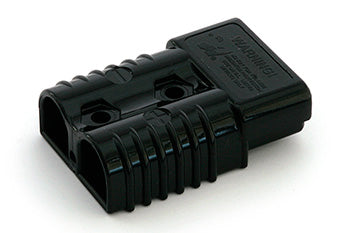
BLACK 175 AMP HOUSING
Frequently Asked Questions
Q: What are the specifications of the AN 2-7252G11 connector housing?
A: The AN 2-7252G11 is a black 175-amp connector housing designed for high-current battery connections on heavy-duty electric lift trucks and material handling equipment. The 175-amp rating supports high-power applications. Confirm your equipment is rated for 175-amp connections before ordering.
Q: Which lift truck models and brands use the AN 2-7252G11 housing?
A: The AN 2-7252G11 is used in electric forklifts, pallet jacks, and material handling equipment from Crown, Toyota, Raymond, Yale, Hyster, and other manufacturers that require 175-amp battery connections. Verify the housing mounting style, contact pin configuration, and amperage rating match your specific equipment model.
Q: Why is the AN 2-7252G11 rated for 175 amps, and how does this compare to lower-amp connectors?
A: The 175-amp rating supports higher continuous current draw required by heavy-duty lift trucks with larger motors and extended runtime. Higher amperage housings use larger contact pins and heavier gauge materials to handle increased heat and current without degradation. The AN 2-7252G11 is not suitable for equipment rated below 175 amps.
Q: What does the black color coding indicate on the AN 2-7252G11?
A: Black is the industry standard color code for 175-amp connectors in electric material handling equipment. Color coding prevents mixing incompatible connectors by clearly identifying amperage capacity. The black housing should only be used with 175-amp-rated systems.
Q: How should the AN 2-7252G11 connector be maintained to ensure long service life?
A: Inspect the AN 2-7252G11 regularly for corrosion, burning, or loose contacts. Clean connector surfaces with a dry cloth if light corrosion appears. Check that contacts are fully seated and the housing is secure to the battery terminal. High-amperage connectors generate heat, so ensure adequate ventilation around the connection point and monitor for discoloration or damage indicating connection resistance.

