

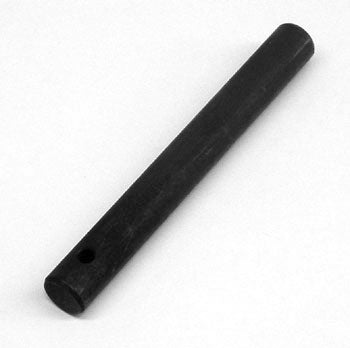
Electric Lift Truck Axle
3127827
Couldn't load pickup availability
- Expert support & fitment help
- 30-day returns
- Fast Shipping
Compatibility
|
Make |
- |
|---|---|
|
Model |
- |
Visit our diagram page for part references to popular models
Product Description
OEM axle for electric lift truck, SKU 3127827, compatible with rear drive assemblies in material handling vehicles. Features SAE 1045 forged steel housing, 3,300 lbs capacity, deep groove bearings, and differential gear ratio 10.24:1. Manufactured for continuous duty cycles with phosphate-coated finish.
Specifications
Part Numbers & Compatibility
| Part Number | 3127827 |
Performance Specifications
| Duty Cycle | Continuous duty, rated for up to 120 start/stop cycles per hour |
| Efficiency Rating | 85% mechanical efficiency at maximum load |
| Capacity | 3,300 lbs |
Additional Specifications
| Axle Housing Material | SAE 1045 forged steel |
| Service Factor | 1.15 |
| Differential Gear Ratio | 10.24:1 |
| Finish | Phosphate-coated |
Frequently Asked Questions
Q: Which electric lift truck models is the 3127827 compatible with?
A: The 3127827 is designed for rear drive assemblies in electric lift trucks. Verify the part number and mounting configuration against your specific equipment to confirm compatibility.
Q: What material is the 3127827 axle housing made from?
A: The 3127827 features an SAE 1045 forged steel housing with a phosphate-coated finish. The surface hardness at bearing surfaces is Brinell 210 HB minimum, which provides durability for continuous duty cycles.
Q: What is the differential gear ratio on the 3127827?
A: The 3127827 axle assembly has a differential gear ratio of 10.24:1, optimized for material handling vehicle performance in continuous duty applications.
Q: What is the load capacity of the 3127827?
A: The 3127827 is rated for continuous duty cycles and can handle up to 120 start-stop cycles per hour. It is designed for rear drive assemblies in electric lift trucks.
Q: How durable is the 3127827 for high-cycle operations?
A: The 3127827 is built for sustained high-cycle operations in electric lift trucks. Its deep groove bearing configuration and SAE 1045 forged steel construction support continuous use in demanding environments.