

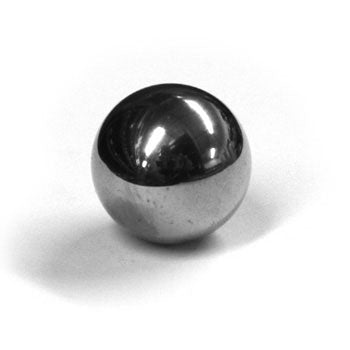
Jet Steel Ball for Pallet Jack Systems
JT JLP600-98
Guaranteed Fit. Check fit with us before you buy. If we confirm it fits your machine and it doesn’t, we’ll exchange or refund it: no restocking fee, return shipping on us. How it works
Not sure it fits? Send us your make, model and serial number and we’ll check it before you buy.
Couldn't load pickup availability
- Expert support & fitment help
- 30-day returns
- Fast Shipping
Compatibility
|
Make |
|
|---|---|
|
Model |
- |
Visit our diagram page for part references to popular models
Product Description
Jet JT JLP600-98 steel ball component designed for manual pallet jack hydraulic systems. Precision steel alloy construction for hydraulic valve operation in Jet J Series pallet trucks. OEM replacement component for industrial material handling equipment maintenance and repair applications.
Compatibility: Fits pallet jacks made by Jet, model JLP600-98. Alternate model: JLP60098; JLP600 98. SKU: JT JLP600-98
Specifications
Material
| Component Material | Steel alloy construction |
Part Numbers
| Manufacturer Part Number | JT JLP600-98 |
Frequently Asked Questions
Q: What is the JT JLP600-98 steel ball component and where is it used?
A: The JT JLP600-98 is a precision steel ball component used in the hydraulic valve system of Jet manual pallet jacks. The steel ball acts as a check valve element, allowing hydraulic fluid to flow in one direction while blocking reverse flow to maintain load height.
Q: What manual pallet jack models does the JT JLP600-98 fit?
A: The JT JLP600-98 is designed for Jet JLP600 series manual pallet jacks. Alternate model references include JLP60098 and JLP600 98. Verify your equipment model and hydraulic valve assembly configuration before ordering.
Q: What material properties does the JT JLP600-98 steel ball have?
A: The component is manufactured from precision steel alloy with hardness and surface finish specifications that enable smooth valve operation under hydraulic pressure. Material composition resists corrosion from hydraulic fluid and maintains dimensional tolerances across temperature ranges.
Q: What symptoms indicate a faulty steel ball in the hydraulic valve?
A: Signs of a worn or damaged steel ball include load creep (gradual height loss when the jack is at rest), inability to hold load even with fresh hydraulic fluid, or irregular hissing from the valve assembly. These indicate the ball seal is compromised.
Q: Is the JT JLP600-98 a critical component for load safety?
A: Yes. The steel ball check valve is essential for load holding. A faulty ball component will result in loss of load height over time. For safety and operational reliability, replace this component if load creep is observed.