

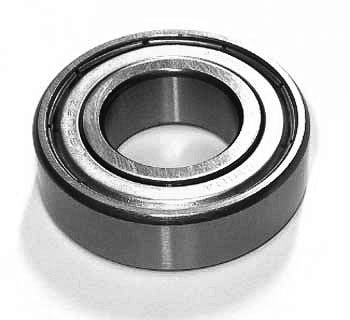
Bearing for Manual Pallet Jacks, GC 1052
GC 1052
Couldn't load pickup availability
- Expert support & fitment help
- 30-day returns
- Fast Shipping
Compatibility
|
Make |
- |
|---|---|
|
Model |
- |
Visit our diagram page for part references to popular models
Product Description
BEARING
Frequently Asked Questions
Q: What applications use the GC 1052 bearing?
A: The GC 1052 is a precision ball bearing designed for manual pallet jack components including load wheel assemblies, drive mechanisms, and steering assemblies. It is suitable for equipment from Crown, Toyota, Raymond, Yale, and other standard material handling manufacturers where the GC 1052 specification is called out in parts diagrams or service documentation.
Q: What is the material composition of the GC 1052?
A: The GC 1052 is manufactured using precision-grade steel races and bearing balls designed to withstand typical manual pallet jack operating loads and environmental conditions. The bearing is finished and sealed or shielded to resist moisture and contamination. Detailed material specifications and hardness ratings are available in the technical specification sheet.
Q: Can the GC 1052 be used in wet or cold storage environments?
A: The GC 1052 is a standard sealed bearing suitable for normal warehouse and light industrial conditions. For extended use in wet, cold storage, or corrosive environments, consider whether environmental protection or upgraded bearing sealing is necessary. Verify your specific operating environment against bearing specifications to ensure adequate protection and service life.
Q: How do I identify if the GC 1052 is failing?
A: Common failure indicators include grinding or metallic noise during equipment operation, increased difficulty rotating wheels or mechanisms, visible play or wobbling in the bearing assembly, or resistance that increases during use. Any of these symptoms warrant immediate bearing replacement to prevent escalating damage to wheels, shafts, or load-bearing components.
Q: What is the typical service life of the GC 1052 under normal conditions?
A: Under typical warehouse use with standard maintenance practices, the GC 1052 bearing generally provides multi-year service. Actual lifespan depends on frequency of use, load distribution, environmental exposure, and operating conditions. Scheduled inspection and prompt replacement of worn bearings extend overall equipment reliability and reduce downtime risk.