

MO 18E309
MO 18E309
Couldn't load pickup availability
- Expert support & fitment help
- 30-day returns
- Fast Shipping
Compatibility
|
Make |
|
|---|---|
|
Model |
|
Visit our diagram page for part references to popular models
Product Description
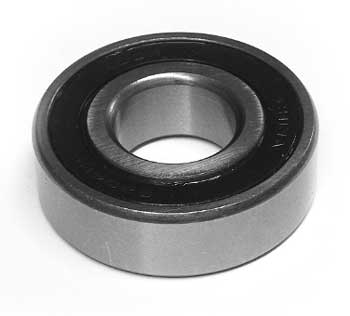
Sealed deep-groove bearing component for Mobile manual pallet jacks, constructed with nitrile rubber and chrome steel for hydraulic pump shaft and load wheel protection. Designed for dust and lubricant retention in demanding material handling applications.
Compatibility: Fits pallet jacks made by Mobile, model ECO I-55. Alternate model: ECO I-55. SKU: MO 18E309
Specifications
Material & Construction
| Seal Material | Nitrile butadiene rubber (NBR) |
| Hardness | 55–70 Shore A (elastomer component) |
Part Numbers
| Manufacturer Part Number | MO 18E309 |
Compatibility
| Compatible Make | Mobile |
| Compatible Models | ECO I-55 |
Frequently Asked Questions
Q: What materials are used in the MO 18E309 bearing component?
A: The MO 18E309 combines a sealed deep-groove bearing with high-carbon chrome steel (SAE 52100 equivalent) races and nitrile butadiene rubber (NBR) seals. The elastomer component has a Shore A hardness rating of 55–70, providing durability and flexibility for seal integrity.
Q: What pallet jack models does the MO 18E309 fit?
A: The MO 18E309 is compatible with Mobile manual pallet jacks, model ECO I-55 (alternate designations: ECO I-55). Confirm your equipment model number before ordering.
Q: What is the purpose of the MO 18E309 sealed bearing?
A: This bearing component protects the hydraulic pump shaft and load wheels from contamination and lubricant loss. The nitrile rubber seals retain grease and exclude dust and moisture in demanding material handling applications.
Q: How does the MO 18E309 contribute to pallet jack longevity?
A: Sealed deep-groove bearings reduce bearing wear by maintaining consistent lubrication and excluding contaminants. The chrome steel race material resists spalling and fatigue, extending bearing service life in high-load warehouse and industrial environments.
Q: When should the MO 18E309 bearing be replaced?
A: Replace the bearing if you observe grinding noise, increased resistance in wheel or pump rotation, or visible seal degradation. Worn seals allow lubricant loss and contamination, leading to premature bearing failure.