

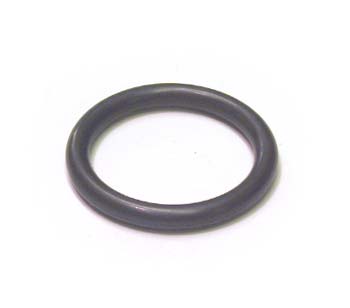
Bishamon OEM O-Ring for BS-55 Pallet Jacks
BI 80800023
Guaranteed Fit. If it doesn’t fit equipment that matches the listing on this page, we’ll exchange or refund it: no restocking fee, return shipping on us. How it works
Not sure it fits? Check it with us before you buy. Once we confirm the fit in writing, it’s guaranteed for your machine.
Couldn't load pickup availability
- Expert support & fitment help
- 30-day returns
- Fast Shipping
Compatibility
|
Make |
|
|---|---|
|
Model |
|
Visit our diagram page for part references to popular models
Product Description
Bishamon hydraulic O-Ring BI 80800023 is a direct-fit seal specified for manual pallet jack BS-55 hydraulic pump assemblies, engineered to maintain fluid integrity and service reliability. This factory-spec replacement prevents leakage and pressure loss in the pump unit, ensuring consistent lifting performance and operational reliability.
Compatibility: Fits Bishamon BS-55 manual pallet jack hydraulic units.
Specifications
Part Numbers
| OEM Part Number | BI 80800023 |
| Manufacturer Part Number | BI 80800023 |
| Compatibility | Compatible with Bishamon BS-55 manual pallet jack hydraulic unit |
Frequently Asked Questions
Q: What pallet jack models use the Bishamon BI 80800023 O-Ring?
A: The BI 80800023 is engineered for Bishamon BS-55 manual pallet jack hydraulic units. It is compatible with all Bishamon pallet jacks built to the BS-55 specification.
Q: What role does the BI 80800023 O-Ring play in the hydraulic system?
A: This O-Ring functions as a hydraulic seal within the BS-55 pump assembly. It maintains fluid pressure and prevents leakage, keeping the hydraulic system operational under load.
Q: Is the BI 80800023 a direct replacement for my Bishamon BS-55 pallet jack?
A: Yes. The BI 80800023 is a direct-fit OEM replacement seal specified for BS-55 hydraulic units. The part is confirmed compatible with Bishamon manual pallet jacks using the BS-55 pump specification.
Q: What material is the BI 80800023 O-Ring made from?
A: This is a hydraulic-grade elastomer seal designed to withstand high-pressure fluid contact, temperature variations, and mechanical stress typical of pallet jack pump assemblies.
Q: How do I know if the BI 80800023 O-Ring has failed?
A: Symptoms of O-Ring failure include hydraulic fluid leaks from the pump area, loss of lift pressure, slow or no lifting response, and visible fluid residue on the pump housing or control valve.
Q: Can the BI 80800023 be used as a preventive maintenance part?
A: Yes. Many technicians replace O-Rings during scheduled pump service or fluid changes to prevent future failures. Preventive replacement extends hydraulic system reliability and reduces unplanned downtime.