

BJ 78229-A
BJ 78229-A
Couldn't load pickup availability
- Expert support & fitment help
- 30-day returns
- Fast Shipping
Compatibility
|
Make |
|
|---|---|
|
Model |
- |
Reference Diagrams
Visit our diagram page for part references to popular models
Product Description
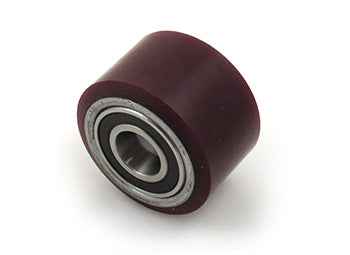
Load Wheel Assembly
Frequently Asked Questions
Q: What is BJ 78229-A and how does it differ from BJ 78229?
A: BJ 78229-A is the complete load wheel assembly version. BJ 78229 is the wheel component alone. BJ 78229-A includes the polyurethane wheel, sealed bearings, and all mounting hardware pre-assembled as a single unit ready for use.
Q: Which Big Joe equipment models use BJ 78229-A?
A: BJ 78229-A is designed for Big Joe electric pallet trucks and material handling equipment models. Confirm your equipment model year and serial range matches the part specification before ordering. The assembly fits multiple Big Joe series across their product line.
Q: What sealed bearings are used in BJ 78229-A?
A: BJ 78229-A contains sealed ball or roller bearings matched to the wheel diameter and load requirements. The sealed design eliminates need for regular field greasing. Bearing specifications are determined by the load wheel design and cannot be field-changed.
Q: Can I use BJ 78229-A on equipment from Crown, Toyota, Hyster, or other brands?
A: BJ 78229-A is manufactured for Big Joe equipment only. Other brands such as Crown, Toyota, Hyster, and Raymond use proprietary load wheel assemblies with different mounting and bearing specifications. Cross-brand substitution is not compatible.
Q: What maintenance does BJ 78229-A require during service?
A: Sealed bearings require no field lubrication. Visually inspect quarterly for flat spots, debris, or wear. Clean the wheel and surrounding areas as needed. Replace the entire assembly when tread wear or bearing noise occurs.
Q: What is the typical lifespan of BJ 78229-A in warehouse operations?
A: In typical warehouse use, BJ 78229-A lasts 1 to 3 years before wheel wear requires replacement. Cold storage, outdoor use, or high-frequency operations reduce lifespan. Polyurethane degradation and bearing wear are the primary failure modes.

