

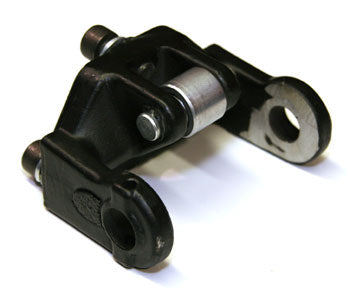
Brackets for Toyota Manual Pallet Jack
00591-75420-81
Guaranteed Fit. Check fit with us before you buy. If we confirm it fits your machine and it doesn’t, we’ll exchange or refund it: no restocking fee, return shipping on us. How it works
Not sure it fits? Send us your make, model and serial number and we’ll check it before you buy.
Couldn't load pickup availability
- Expert support & fitment help
- 30-day returns
- Fast Shipping
Compatibility
|
Make |
|
|---|---|
|
Model |
- |
Visit our diagram page for part references to popular models
Product Description
BRACKET ASSY
Specifications
Material & Construction
| Construction Method | Welded or Riveted |
Part Numbers & Compatibility
| Make | Toyota |
| Application | Manual Pallet Jack |
| Compatible Equipment | Toyota Manual Pallet Jacks |
Additional Specifications
| Product Type | Bracket Assembly |
| Primary Material | Steel |
| Purpose | Structural support and component mounting |
Frequently Asked Questions
Q: What is the 00591-75420-81 bracket assembly used for?
A: The 00591-75420-81 is a bracket assembly designed for manual pallet jack applications. Brackets serve as structural or mounting components that secure other assemblies such as hydraulic components or operational linkages to the pallet jack frame or carriage.
Q: Which Toyota manual pallet jack models use the 00591-75420-81 bracket assembly?
A: The 00591-75420-81 is compatible with specific Toyota manual pallet jack models. To verify fitment on your equipment, provide your pallet jack model number and serial range. Different jack designs use different bracket configurations.
Q: What material is the 00591-75420-81 bracket assembly made from?
A: The 00591-75420-81 is typically fabricated from steel plate with either welded or riveted construction to provide rigidity and strength for load support and component retention. Contact us for specific material grade and construction details.
Q: Can the 00591-75420-81 be used as a replacement for aftermarket bracket assemblies?
A: The 00591-75420-81 is designed with specific dimensions and material specifications for your equipment. Aftermarket brackets may have different hole patterns, mounting surfaces, or load ratings. Using the correct replacement part ensures proper alignment and safe operation.
Q: What is the expected lifespan of the 00591-75420-81 bracket assembly?
A: Steel bracket assemblies are durable and typically last the operational life of the pallet jack if maintained properly. Failure can result from cracks due to impact damage, fatigue from repeated use with overload conditions, corrosion in wet environments, or loosening of fasteners. Periodic inspection identifies cracks or bending before structural failure occurs.