

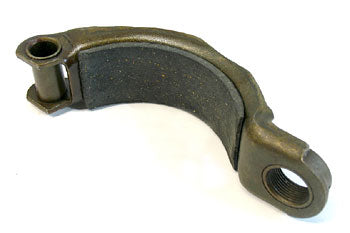
Brake Shoe, Non-Asbestos for Yale Electric Lift Truck
YL 131545301
Couldn't load pickup availability
- Expert support & fitment help
- 30-day returns
- Fast Shipping
Compatibility
|
Make |
|
|---|---|
|
Model |
- |
Visit our diagram page for part references to popular models
Product Description
Brake Shoe, Non-Asbestos
Frequently Asked Questions
Q: What is the YL 131545301 brake shoe and what material is it made from?
A: The YL 131545301 is an OEM replacement brake shoe engineered for Yale electric lift trucks. It is manufactured from non-asbestos friction material, meeting environmental and safety standards for material handling equipment brake systems. Non-asbestos composition ensures compliance with modern workplace health regulations while maintaining reliable braking performance.
Q: Which Yale electric lift truck models does the YL 131545301 brake shoe fit?
A: The YL 131545301 is designed as a direct OEM replacement for Yale electric pallet jacks and lift trucks. Verify your equipment model and brake system type before ordering to ensure proper fitment. Contact us with your equipment model number for specific compatibility confirmation.
Q: How does non-asbestos brake shoe material affect durability and performance?
A: Non-asbestos brake shoes provide consistent stopping power with improved safety profiles compared to older asbestos-based formulations. These materials offer good wear resistance and thermal stability in standard material handling applications. Performance remains reliable under typical duty cycles of electric lift trucks operating in indoor warehouse and manufacturing environments.
Q: What are typical replacement indicators for YL 131545301 brake shoes?
A: Replace brake shoes when visible wear reaches approximately 3/32 inch thickness, when braking response becomes sluggish, or if you notice increased stopping distances. Regular inspection during routine maintenance helps identify wear before performance is compromised. Operating conditions, load weight, and frequency of braking cycles affect replacement intervals.