

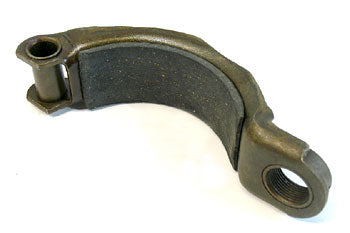
Brake Shoe, Non-Asbestos for Yale Electric Lift Truck
YL 150021304
Couldn't load pickup availability
- Expert support & fitment help
- 30-day returns
- Fast Shipping
Compatibility
|
Make |
|
|---|---|
|
Model |
- |
Visit our diagram page for part references to popular models
Product Description
Brake Shoe, Non-Asbestos
Frequently Asked Questions
Q: What type of friction material does the YL 150021304 brake shoe contain?
A: The YL 150021304 is a non-asbestos brake shoe engineered for electric lift trucks. The non-asbestos friction lining provides compliant stopping performance while meeting environmental and health regulatory standards for material handling equipment brake systems.
Q: Is the YL 150021304 compatible with Yale brake drum assemblies?
A: Yes, the YL 150021304 is designed for Yale electric lift truck brake systems. Verify your brake drum assembly specifications and equipment model to confirm fitment before ordering, as different truck models may use different brake shoe dimensions.
Q: What are the regulatory advantages of the non-asbestos formulation?
A: Non-asbestos friction materials eliminate health hazards associated with asbestos dust exposure during maintenance and replacement. The YL 150021304 meets current EPA and OSHA regulations for material handling equipment brake components, reducing liability and worker safety concerns.
Q: How does non-asbestos friction compound perform in reliability?
A: Modern non-asbestos friction compounds deliver consistent, compliant braking performance across load ranges and operating temperatures. The YL 150021304 provides predictable stopping distances and reduced noise while maintaining durability comparable to OEM specifications for electric lift truck duty cycles.
Q: What maintenance considerations apply to non-asbestos brake shoes?
A: Non-asbestos brake shoes like the YL 150021304 require standard brake system maintenance: periodic inspection for wear, drum surface condition checks, and replacement when friction material thickness approaches OEM minimum limits. No special handling precautions are needed during installation or replacement.