

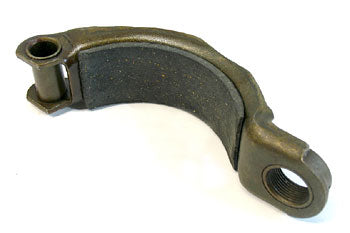
Brake Shoe, Non-Asbestos for Yale Electric Lift Truck
YL 620002400
Couldn't load pickup availability
- Expert support & fitment help
- 30-day returns
- Fast Shipping
Compatibility
|
Make |
|
|---|---|
|
Model |
- |
Visit our diagram page for part references to popular models
Product Description
Brake Shoe, Non-Asbestos
Frequently Asked Questions
Q: What is the difference between YL 620002300 and YL 620002400 brake shoes?
A: Both YL 620002300 and YL 620002400 are non-asbestos brake shoes for Yale electric lift equipment. The main differences are typically brake drum diameter, shoe width, or friction coefficient rating. These parts are not interchangeable. Verify your brake assembly specifications and equipment model before ordering to ensure correct fitment.
Q: Does brake shoe YL 620002400 fit electric pallet jacks and stackers?
A: YL 620002400 is designed for specific Yale electric lift truck models. It is commonly used in walkie stackers and mid-duty electric pallet equipment. Verify your equipment model, serial number, and current brake shoe part number before ordering. Installing the wrong part number will result in poor braking performance or equipment damage.
Q: What performance issues indicate replacement of YL 620002400 is needed?
A: Replace brake shoe YL 620002400 if you experience extended stopping distance, soft brake pedal feel, brake vibration, or audible grinding during braking. If the brake shoe material wears below factory thickness specifications, braking power decreases significantly. Worn brake shoes are a safety hazard and must be replaced promptly to prevent equipment accidents.
Q: Can YL 620002400 be used in high-humidity or cold storage environments?
A: Non-asbestos brake shoes like YL 620002400 perform well in cold storage and humid environments. However, moisture can affect brake drum performance over time. In cold storage, brake material may initially feel harder until warming from friction. Verify brake performance in your specific operating environment and conduct test stops before full-duty operation.
Q: How long does YL 620002400 typically last before replacement?
A: Brake shoe YL 620002400 lifespan ranges from 12 to 36 months depending on load cycles, environment, and operator braking habits. Heavy-duty warehouse operations with frequent full-load braking reduce lifespan. Light-duty or intermittent use extends shoe life. Monitor wear regularly and maintain a spare set for emergency replacement during your equipment maintenance schedule.