

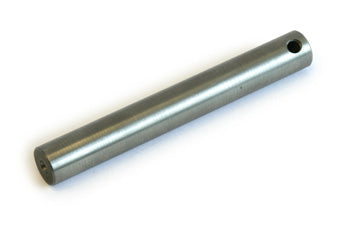
Stainless Steel Load Wheel Axle for BT, Toyota, Prime Mover L2000, L2300, L2000-U
BT 179393
Guaranteed Fit. If it doesn’t fit equipment that matches the listing on this page, we’ll exchange or refund it: no restocking fee, return shipping on us. How it works
Not sure it fits? Check it with us before you buy. Once we confirm the fit in writing, it’s guaranteed for your machine.
Couldn't load pickup availability
- Expert support & fitment help
- 30-day returns
- Fast Shipping
Compatibility
|
Make |
|
|---|---|
|
Model |
|
Visit our diagram page for part references to popular models
Product Description
BT 179393 is a stainless steel load wheel axle intended for wet applications on BT manual pallet jacks, including models L2000, L2300, L2000-U, L2300-U, and LHM230. Designed for resistance to corrosion in moist environments.
Compatibility: Fits pallet jacks made by BT, model L2000. SKU: BT 179393
Specifications
Material & Construction
| Material | Stainless Steel |
Part Numbers & Compatibility
| Make | BT Prime Mover, Toyota |
| Model | L2000, L2300, L2000-U, L2300-U, LHM230, LHM230G, LHM230QWS, LHM230WS |
| Manufacturer Part Number | BT 179393 |
| Application | Wet environments, cold storage, outdoor material handling |
| Compatible Equipment Brands | BT |
| Compatible Equipment Models | L2000, L2300, L2000-U, L2300-U, LHM230 |
Additional Specifications
| Product Type | Load Wheel Axle |
Frequently Asked Questions
Q: Which makes and models is the BT 179393 compatible with?
A: The BT 179393 is compatible with BT, Toyota, and Prime Mover pallet jacks including models L2000, L2300, L2000-U, L2300-U, LHM230, LHM230G, LHM230QWS, LHM230WS.
Q: What material is the BT 179393 made from, and how does it benefit performance?
A: The BT 179393 is made from stainless steel, which provides excellent resistance to corrosion. This makes it ideal for use in wet environments and cold storage facilities where moisture exposure is common.
Q: How should I determine if the BT 179393 is suitable for my pallet jack?
A: Check the make and model of your pallet jack. The BT 179393 is designed for specific models from BT, Toyota, and Prime Mover. Confirm compatibility with your equipment before purchasing.
Q: What are the advantages of using a stainless steel load wheel axle like the BT 179393?
A: Stainless steel axles like the BT 179393 offer superior corrosion resistance, making them suitable for environments with high moisture levels. This helps maintain reliable operation and extends the service life of the pallet jack.
Q: Can the BT 179393 be used as a replacement part for other models?
A: The BT 179393 is intended as a replacement part for specific models from BT, Toyota, and Prime Mover. Ensure your model is listed in the compatibility section before ordering.