

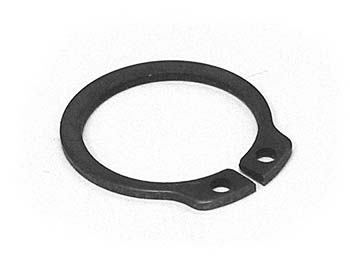
Snap Ring for BT L 2000, L 2300, L 2000-U and L 2300-U
BT 20019
Guaranteed Fit. If it doesn’t fit equipment that matches the listing on this page, we’ll exchange or refund it: no restocking fee, return shipping on us. How it works
Not sure it fits? Check it with us before you buy. Once we confirm the fit in writing, it’s guaranteed for your machine.
Couldn't load pickup availability
- Expert support & fitment help
- 30-day returns
- Fast Shipping
Compatibility
|
Make |
|
|---|---|
|
Model |
|
Visit our diagram page for part references to popular models
Product Description
BT 20019 is a direct replacement snap ring designed for BT manual pallet jack models L 2000, L 2300, L 2000-U, and L 2300-U. This hardened spring steel retention component secures the axle and bearing assembly within the steer wheel, ensuring reliable performance and safe material handling operation.
Specifications
Product Overview
| Part Number | BT 20019 |
| Manufacturer Part Number | 20019 |
Physical Specifications
| Material | Hardened Spring Steel |
| Function | Axle Retention and Bearing Security |
Compatibility
| Compatible Models | BT L 2000, BT L 2300, BT L 2000-U, BT L 2300-U |
Frequently Asked Questions
Q: What is BT 20019 and what does it do?
A: BT 20019 is a hardened spring steel snap ring used to secure the axle and bearing assembly within the steer wheel or hydraulic unit of BT pallet jacks. It prevents axial movement and bearing separation during truck operation.
Q: Which BT pallet jack models use BT 20019?
A: BT 20019 is compatible with BT manual pallet jack models L 2000, L 2000-U, L 2300, and L 2300-U. Confirm your truck model before ordering to ensure fitment.
Q: What material is BT 20019 made from?
A: BT 20019 is manufactured from hardened spring steel. This material provides elastic strength required to maintain consistent snap ring tension and secure the axle assembly without permanent deformation.
Q: Why does a snap ring like BT 20019 fail?
A: Snap rings fail due to corrosion, mechanical fatigue from repeated load cycling, or improper groove engagement. Rust or surface pitting can weaken the metal and cause the ring to lose tension and eventually slip from the groove.
Q: What are the warning signs that BT 20019 needs replacement?
A: Symptoms of snap ring failure include lateral play in the steer wheel, bearing wobble, or visible rust and pitting on the snap ring surface. Any axial movement of the wheel when pulled toward or away from the axle suggests snap ring failure.
Q: Is BT 20019 a wear item that should be replaced regularly?
A: BT 20019 is not a routine wear item if properly installed and maintained. Replacement is needed only when corrosion, damage, or failure is detected. However, inspection during bearing service is recommended to prevent unexpected failure.