

Bushings for Electric Lift Truck
1430-9029
Couldn't load pickup availability
- Expert support & fitment help
- 30-day returns
- Fast Shipping
Compatibility
|
Make |
- |
|---|---|
|
Model |
- |
Visit our diagram page for part references to popular models
Product Description
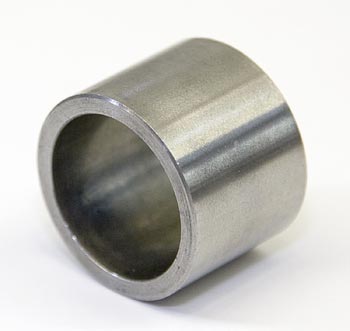
The 1430-9029 is a high-performance wear bushing engineered for electric lift truck mast assemblies. This direct replacement bushing reduces friction between mechanical components and maintains precise part alignment during mast extension, lowering, and lateral movement operations. Manufactured from durable polymeric or bronze material, it delivers reliable long-life performance across multiple lift truck brands and models. Compatible with Crown, Toyota, Hyster, Raymond, and Jungheinrich equipment.
Specifications
Product Overview
| Part Number | 1430-9029 |
| Product Type | Wear Bushing |
Physical Specifications
| Material Composition | Polymeric or Bronze |
| Function | Friction reduction and component alignment |
| Typical Replacement Interval | 3-5 years (usage dependent) |
| Wear Indicator | Excessive mast noise or movement |
Compatibility
| Application | Electric Lift Truck Mast Assembly |
| Compatible Equipment Category | Electric Forklifts, Reach Trucks, Order Pickers |
Frequently Asked Questions
Q: What is SKU 1430-9029 bushing?
A: SKU 1430-9029 is a wear bushing for electric lift truck assemblies. It reduces friction between mechanical components and maintains proper part alignment during mast extension, lowering, and lateral movement.
Q: Is SKU 1430-9029 compatible with my electric lift truck?
A: This bushing is used across Crown, Toyota, Hyster, Jungheinrich, and Raymond electric lift trucks. Verify your truck model and serial number to confirm the exact bushing position and specifications required for your equipment.
Q: What is the material composition of SKU 1430-9029?
A: SKU 1430-9029 is engineered from durable polymeric or bronze material that withstands continuous wear while maintaining low-friction sliding surfaces between fixed and moving components.
Q: How often should SKU 1430-9029 be replaced?
A: Typical replacement interval is 3 to 5 years depending on truck usage intensity. Continuous high-cycle operations may reduce bushing life. Monitor for noise or movement to determine if earlier replacement is needed.
Q: What are the consequences of delaying replacement of this bushing?
A: Worn bushings create excessive play in the mast assembly, leading to uneven load distribution, reduced lifting stability, increased stress on adjacent components, and potential safety hazards during operation.