

Caster for 11 Series Stocking CARTS-5 Dia
CA 11-MR-523-R
Couldn't load pickup availability
- Expert support & fitment help
- 30-day returns
- Fast Shipping
Compatibility
|
Make |
|
|---|---|
|
Model |
|
Visit our diagram page for part references to popular models
Product Description
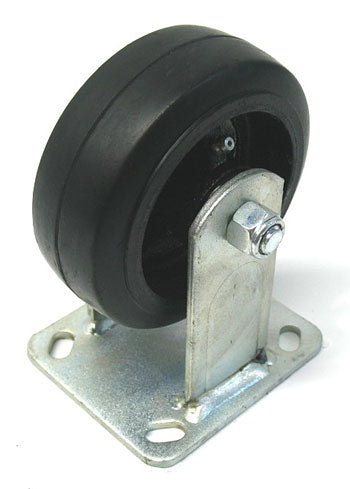
Liftsplus.com CA 11-MR-523-R rigid assembly caster for carts features a 5.00 inch mold-on rubber tread, plate mount configuration, and is designed for 11 Series stocking cart applications.
Compatibility: Fits pallet jacks made by 11 Series, model Stocking Carts-5 Dia.. Alternate model: StockingCarts5Dia.; Stocking Carts 5 Dia.. SKU: CA 11-MR-523-R
Specifications
Material & Construction
| Wheel Tread Material | Natural rubber, mold-on process |
Part Numbers
| OEM Part Number | CA 11-MR-523-R |
| Manufacturer Part Number | CA 11-MR-523-R |
Frequently Asked Questions
Q: What is the wheel diameter and material of the CA 11-MR-523-R?
A: The CA 11-MR-523-R has a 5-inch diameter wheel with natural rubber tread applied through mold-on process. Natural rubber provides good grip and resilience on concrete and sealed floors.
Q: Is the CA 11-MR-523-R rigid or swivel?
A: The CA 11-MR-523-R is a rigid assembly caster, meaning it does not rotate side to side. The R designation indicates rigid configuration for straight-line pushing in stocking cart applications.
Q: What mounting configuration does the CA 11-MR-523-R use?
A: The CA 11-MR-523-R uses plate mount configuration, standard for stocking carts. The mounting plate bolts to the cart frame through pre-drilled holes.
Q: Which stocking cart models are compatible with the CA 11-MR-523-R?
A: The CA 11-MR-523-R is compatible with 11 Series Stocking Carts 5 Dia. (5-inch diameter configuration). Alternate references include StockingCarts5Dia. and Stocking Carts 5 Dia. Confirm your cart model before ordering.
Q: How does the 5-inch wheel size compare to smaller caster sizes?
A: The 5-inch diameter on the CA 11-MR-523-R is mid-range for stocking cart applications. It provides better floor contact and obstacle rollover than 4-inch wheels while maintaining maneuverability superior to larger 8-inch wheels.
Q: What is the lifespan of natural rubber tread on the CA 11-MR-523-R?
A: Natural rubber mold-on tread lifespan varies by floor type, loading, and usage frequency. Regular visual inspection for tread flattening, chunking, or separation is recommended. Replace when tread depth decreases significantly or signs of wear compromise traction.