

Filter, Hydraulic
CH LFH4207
Guaranteed Fit. Check fit with us before you buy. If we confirm it fits your machine and it doesn’t, we’ll exchange or refund it: no restocking fee, return shipping on us. How it works
Not sure it fits? Send us your make, model and serial number and we’ll check it before you buy.
Couldn't load pickup availability
- Expert support & fitment help
- 30-day returns
- Fast Shipping
Compatibility
|
Make |
- |
|---|---|
|
Model |
- |
Visit our diagram page for part references to popular models
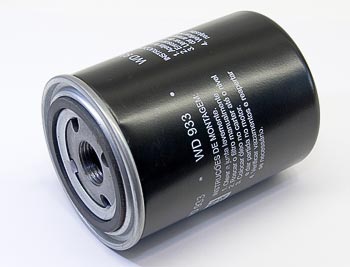
Product Description
Filter, Hydraulic
Frequently Asked Questions
Q: What is the pressure rating and micron filtration specification for the CH LFH4207 hydraulic filter?
A: The CH LFH4207 is a hydraulic filter element designed for electric lift truck pump systems. Verify the exact pressure rating and micron specification against your equipments hydraulic system documentation, as these specifications vary by OEM application and may range from 10 to 25 micron absolute filtration with pressure ratings up to 250 PSI nominal.
Q: Which electric lift truck brands use the CH LFH4207 filter?
A: This filter element is compatible with electric lift truck pump systems from manufacturers including Crown, Toyota, Raymond, Yale, Hyster, and similar OEM designs. Confirm exact model compatibility by matching the mounting dimensions and flow requirements to your specific equipment.
Q: What is the replacement interval for this hydraulic filter?
A: Hydraulic filter replacement intervals depend on equipment runtime, fluid contamination levels, and operating conditions. Typical service intervals range from 1,000 to 2,000 operating hours. Monitor fluid color and pressure differential across the filter element; replace when differential pressure reaches the bypass valve threshold or fluid becomes visibly discolored.
Q: What is the collapse rating and flow capacity of CH LFH4207?
A: The CH LFH4207 element has a structural collapse rating typically rated for 5 to 10 PSI differential pressure, with nominal flow capacity in the 15 to 30 gallons per minute range depending on fluid viscosity. Verify exact specifications against the original equipment manual or contact technical support with your equipment serial number.
Q: Can CH LFH4207 be used across different hydraulic fluid types?
A: This filter element is designed for standard ISO 46 and ISO 68 hydraulic fluids commonly used in material handling equipment. Do not use with biodegradable, fire-resistant, or synthetic hydraulic fluids unless the filter element is specifically rated for those fluid types, as incompatible fluids can compromise filter media integrity.