

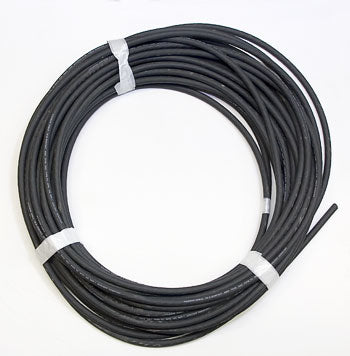
Conductor Cable for Electric Lift Truck
3025874
Couldn't load pickup availability
- Expert support & fitment help
- 30-day returns
- Fast Shipping
Compatibility
|
Make |
- |
|---|---|
|
Model |
- |
Visit our diagram page for part references to popular models
Product Description
CONDUCTOR CABLE (18G 8 WIRE)
Specifications
Product Overview
| Number of Conductors | 8 |
Physical Specifications
| Wire Gauge | 18 AWG |
| Typical Operating Voltage | 24V or 36V DC |
| Amperage Rating per Conductor | 10-15 amps |
| Insulation Type | PVC or polyethylene (abrasion and thermal resistant) |
Compatibility
| Application | Electric lift truck control systems, motor circuits, battery management, steering and accelerator control |
| Compatible Equipment Types | Electric pallet jacks, electric walkie trucks, ride-on electric forklifts |
Frequently Asked Questions
Q: What is the wire gauge and conductor configuration for SKU 3025874?
A: This is an 18-gauge, 8-conductor cable designed for electric lift truck control systems. The 18G specification indicates the wire diameter, and the 8-conductor design allows for multiple circuit signals and control functions within a single cable run.
Q: What is the operating voltage rating for this conductor cable?
A: This cable is rated for electric lift truck systems, typically operating at 24 volts or 36 volts depending on the equipment configuration. Verify your equipment voltage specification before ordering to ensure correct compatibility.
Q: What equipment types use this 8-wire conductor cable?
A: SKU 3025874 is compatible with electric pallet jacks, electric walkie trucks, and electric ride-on lift trucks from manufacturers including Crown, Toyota, Raymond, and Yale. This cable interconnects control systems, motors, and battery management components.
Q: What is the typical amperage rating for this cable?
A: 18-gauge conductor cable typically handles 10-15 amps per conductor depending on insulation type and duty cycle. Do not exceed rated amperage as this causes overheating and potential circuit failure. Consult your equipment wiring diagram for the correct circuit specifications.
Q: How should this cable be routed and protected on the equipment?
A: This cable must be secured along the equipment frame using cable clips or loom to prevent abrasion against metal edges, which causes insulation failure and short circuits. Keep the cable away from hot surfaces, battery terminals, and moving mechanical components. Replace the cable if the insulation is cracked, burned, or damaged.