

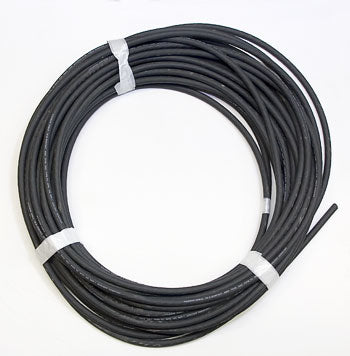
Conductor Cable for Electric Lift Truck
A0000-25099
Couldn't load pickup availability
- Expert support & fitment help
- 30-day returns
- Fast Shipping
Compatibility
|
Make |
- |
|---|---|
|
Model |
- |
Visit our diagram page for part references to popular models
Product Description
CONDUCTOR CABLE (18G 8 WIRE)
Specifications
Product Overview
| Number of Conductors | 8 |
Physical Specifications
| Wire Gauge | 18 AWG |
| Environmental Rating | Warehouse and light outdoor use; regular inspection recommended for moisture, oil, and heat exposure |
Compatibility
| Application | Control circuits, sensor connections, signal circuits, motor control signaling |
| Suitable For | Low-power control and signal circuits; not rated for main motor power circuits |
| Equipment Type | Electric pallet trucks, electric lift trucks, electric stackers, reach trucks |
Frequently Asked Questions
Q: What is the A0000-25099 conductor cable used for?
A: The A0000-25099 is an 18-gauge, 8-wire conductor cable used in electric lift truck electrical systems. It connects control circuits, motor power, and sensor systems on electric pallet trucks and lift trucks.
Q: What are the specifications of the A0000-25099 cable?
A: The A0000-25099 is an 18-gauge 8-wire cable. The 18-gauge wire diameter is suitable for low-power control and signal circuits. The 8-wire configuration allows multiple circuit paths for motor control, solenoid operation, and safety systems in electric lift equipment.
Q: Which electric lift truck brands use the A0000-25099 cable?
A: The A0000-25099 is compatible with electric pallet trucks and lift trucks from Crown, Toyota, Raymond, and Yale. Verify your equipment model and original cable part number before ordering to confirm this cable matches your system.
Q: Is 18-gauge wire appropriate for motor circuits?
A: 18-gauge conductor in the A0000-25099 is designed for control circuits, sensor connections, and low-power signaling. It is not rated for main motor power circuits, which require heavier gauge wire. Verify your equipment circuit specifications to confirm correct cable placement.
Q: What environmental conditions can the A0000-25099 withstand?
A: The A0000-25099 conductor cable is rated for typical warehouse and light outdoor use. Extended exposure to moisture, oils, or extreme heat may degrade insulation. Inspect cable regularly for abrasion, cracks, or discoloration and replace if damage is visible.