

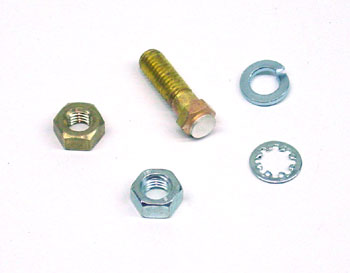
Universal Electric Lift Truck Contact Kit - 150A Replacement
800118963
Couldn't load pickup availability
- Expert support & fitment help
- 30-day returns
- Fast Shipping
Compatibility
|
Make |
- |
|---|---|
|
Model |
- |
Visit our diagram page for part references to popular models
Product Description
Universal electric lift truck contact kit, suitable for contactor maintenance and direct replacement, rated for up to 150A continuous at 24VDC–48VDC. Manufactured from high hardness, copper alloy contacts polished for low resistance in harsh electrical environments. Direct bolt-on mounting for standard electric lift truck contactor applications.
Specifications
Electrical
| Rated Voltage | Designed for 24VDC – 48VDC electrical contactor circuits |
| Current Capacity | Compatible with circuits rated up to 150A continuous |
Material & Construction
| Surface Finish | Polished contact surface |
Part Numbers
| OEM Part Number | 800118963 |
Frequently Asked Questions
Q: What voltage and current rating is the contact kit (SKU 800118963) designed for?
A: SKU 800118963 is rated for 24VDC to 48VDC control circuits with a continuous current capacity of 150 Amps. This makes it suitable for standard contactor applications in electric lift trucks operating at common control voltages.
Q: What material are the contacts in the 800118963 kit made from?
A: The 800118963 uses high-hardness copper alloy contacts that are polished to minimize electrical resistance. This design is optimized for low-resistance connections in harsh electrical environments typical of material handling equipment.
Q: How does the 800118963 contact kit mount to a contactor?
A: The 800118963 features direct bolt-on mounting compatible with standard electric lift truck contactor assemblies. The contact kit is a universal replacement suitable for contactor maintenance across multiple lift truck brands and models.
Q: Which electric lift truck brands use the 800118963 contact kit as a replacement?
A: The universal design of SKU 800118963 makes it compatible with Crown, Toyota, Raymond, Yale, Hyster, Jungheinrich, Linde, Clark, Mitsubishi, CAT, and BT electric lift trucks. Confirm your contactor mounting interface matches the bolt-on design before ordering.
Q: Why would contact surfaces become worn on a lift truck contactor?
A: Contactor contacts wear from repeated electrical arcing and pitting during thousands of on-off switching cycles. Worn contacts increase electrical resistance, generate heat, and eventually fail to maintain reliable circuit closure, requiring contact kit replacement.