

Product Description
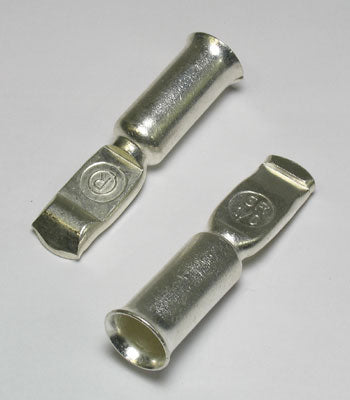
CONTACT SET (SB175 1/0)
Frequently Asked Questions
Q: What equipment does the 800127735 contact set fit?
A: The 800127735 is a contact set designed for SB175 series electric lift trucks and similar equipment with SB175-class control circuits. This part fits multiple brands including Crown, Yale, Toyota, and Raymond models built to this specification. Verify your equipment model and control system before ordering.
Q: What is the voltage and amperage rating for the 800127735?
A: The 800127735 contact set is rated for standard low-voltage control circuits typical of SB175 series equipment, typically 24V or 48V DC depending on your specific lift truck model. Check your equipment documentation for the exact voltage specification to confirm compatibility.
Q: What materials are the 800127735 contacts made from?
A: The 800127735 uses industrial-grade silver alloy or composite contacts designed for reliable electrical conductivity and reduced pitting in low-voltage control applications. This material provides consistent performance across multiple contact cycles.
Q: How often should the 800127735 contact set be replaced?
A: Replace the contact set when contacts show visible pitting, burning, or discoloration, or when the control circuit exhibits intermittent operation. In high-use environments, contact sets typically require replacement every 3000 to 5000 operating hours, though this varies by usage pattern.
Q: Does the 800127735 have cross-reference part numbers?
A: Cross-references for the 800127735 depend on your specific OEM equipment brand and model. Contact us with your equipment details or original part number, and we can verify compatibility and identify equivalent part numbers if applicable.
Q: What symptoms indicate the 800127735 contacts need replacement?
A: Signs of contact wear include intermittent control circuit operation, electrical arcing or buzzing in the control panel, delayed response to control inputs, or visible burn marks on the contacts. Replace contacts immediately if circuit operation becomes unreliable, as this creates a safety hazard.