

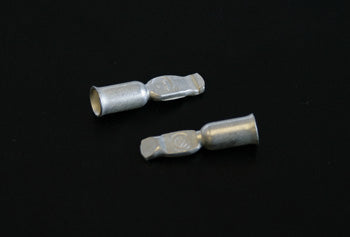
Contact Set SB50A #6
66-0120
Couldn't load pickup availability
- Expert support & fitment help
- 30-day returns
- Fast Shipping
Compatibility
|
Make |
- |
|---|---|
|
Model |
- |
Visit our diagram page for part references to popular models
Product Description
CONTACT SET (SB50A #6)
Specifications
Product Overview
| Product Type | Battery Charger Contact Set |
| Series Compatibility | SB50A |
Physical Specifications
| Contact Assembly Designation | #6 |
| Function | Power circuit switching and connection control during charging cycle |
| Current Rating | High electrical current capacity |
| Typical Service Life | 3-5 years (standard use); 2-3 years (high-use, 8+ cycles per day) |
| Inspection Recommendation | Regular visual inspection to predict replacement needs and prevent failure |
| Not Compatible With | SB350, SB100, and other non-SB50A charger series |
Compatibility
| Compatible Equipment Makes | Crown, Toyota, Raymond |
Frequently Asked Questions
Q: What is the 66-0120 contact set and what does it do?
A: The 66-0120 is an electrical contact set assembly for SB50A series battery chargers. It controls the switching and connection of power circuits during the charging cycle. This is a maintenance-critical component that carries high electrical current.
Q: Which chargers use the 66-0120 contact set?
A: The 66-0120 is designed specifically for SB50A series chargers used on electric lift trucks from Crown, Toyota, and Raymond. Do not use this contact set on SB350, SB100, or other charger series as electrical specifications and mounting will not be compatible.
Q: What are signs that the 66-0120 contact set is failing?
A: Symptoms of contact wear or failure include charger not initiating a charge cycle, intermittent charging (starts and stops), visible burning or corrosion on contact surfaces, or audible arcing when the charger attempts to engage. Replace the contact set if any of these symptoms occur.
Q: How often should the 66-0120 contact set be replaced?
A: Contact sets typically last 3 to 5 years depending on charger usage frequency and load cycles. High-use chargers (8+ cycles per day) may require contact set replacement every 2 to 3 years. Regular visual inspection of contacts helps predict replacement needs before failure occurs.
Q: Can I use a contact set from another supplier as a replacement for the 66-0120?
A: Cross-reference your charger documentation to confirm compatibility. Some aftermarket contact sets are dimensionally and electrically equivalent to the 66-0120, but verify amperage rating and contact material before substitution. Incorrect contacts can damage the charger or create a fire hazard.