

24-VOLT DC Contactor for Electric Lift Truck - Fits Caterpillar, Towmotor
CT-965-24
Guaranteed Fit. Check fit with us before you buy. If we confirm it fits your machine and it doesn’t, we’ll exchange or refund it: no restocking fee, return shipping on us. How it works
Not sure it fits? Send us your make, model and serial number and we’ll check it before you buy.
Couldn't load pickup availability
- Expert support & fitment help
- 30-day returns
- Fast Shipping
Compatibility
|
Make |
|
|---|---|
|
Model |
- |
Visit our diagram page for part references to popular models
Product Description
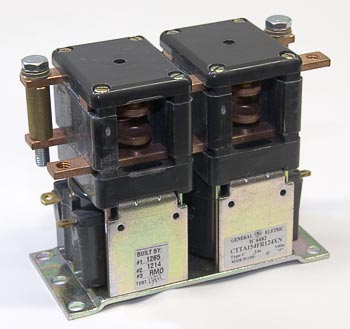
The 24-volt DC contactor is an essential electrical component for electric walkie pallet jacks and low-lift stackers. This direct replacement contactor switches main motor circuits in 24V material handling equipment, enabling smooth acceleration and deceleration during load handling. Compatible with leading walkie pallet jack brands, it provides reliable motor control and circuit protection. Replace when experiencing motor startup delays, solenoid buzzing, or intermittent power loss to restore truck performance.
Specifications
Part Numbers & Compatibility
| Make | Cat Caterpillar, Towmotor |
Frequently Asked Questions
Q: Which makes and models are compatible with the CT-965-24?
A: The CT-965-24 is designed for Caterpillar and Towmotor equipment. Verify compatibility with your specific model by checking the truck's nameplate or contacting the manufacturer.
Q: What materials are used to ensure durability of the CT-965-24?
A: The CT-965-24 is constructed from high-quality materials to withstand harsh industrial environments. It is built for long-term use and reliable performance.
Q: How can I determine if the CT-965-24 needs to be replaced?
A: Signs that the CT-965-24 may need replacement include failure to engage, unusual noises, or visible damage. Always test the unit before replacing it.
Q: What voltage rating is the CT-965-24 contactor designed for?
A: The CT-965-24 is rated for 24-volt DC systems. Do not use this contactor on 12-volt, 36-volt, or 48-volt equipment, as voltage mismatch will cause failure or damage.
Q: What is the typical switching amperage for the CT-965-24?
A: The CT-965-24 handles up to 500 amps of continuous DC switching current. Exceeding this rating will cause contact erosion and premature failure.
Q: How do I diagnose a failed CT-965-24 contactor?
A: Symptoms of contactor failure include: no motor response when key is turned, solenoid buzzing without engagement, or visible burned contacts. Test continuity across main terminals with power off. Open circuits indicate failure.
Q: What environmental factors affect the lifespan of a CT-965-24?
A: Moisture, dust, and extreme temperatures reduce contactor lifespan. Store in dry conditions and keep the truck clean. Units exposed to wet environments or cold storage may fail 30 percent faster than those in controlled conditions.