

Contactor for Electric Lift Truck - Fits Albright, Crown
AL SW180L-36/48
Couldn't load pickup availability
- Expert support & fitment help
- 30-day returns
- Fast Shipping
Compatibility
|
Make |
|
|---|---|
|
Model |
- |
Visit our diagram page for part references to popular models
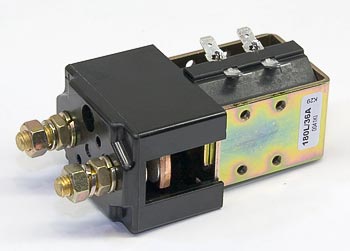
Product Description
The AL SW180L-36/48 is a heavy-duty dual-voltage contactor designed for 36-volt and 48-volt DC motor control systems in electric lift trucks and material handling equipment. Featuring M8 main stud terminals with silver alloy contacts, this contactor delivers reliable switching and control in demanding warehouse, dock, and distribution environments. Rated for continuous industrial use with solid construction and proven performance across Crown, Toyota, Raymond, Hyster, and Jungheinrich electric lift truck platforms.
Specifications
Part Numbers & Compatibility
| Make | Albright, Crown, Toyota, Raymond, Hyster, Jungheinrich, Linde, BT |
| Part Number | AL SW180L-36/48 |
| Application | Electric lift truck motor control |
| Equipment Compatibility | 36V and 48V DC lift truck systems |
Electrical Specifications
| Coil Voltage Options | 36VDC or 48VDC nominal |
| Continuous Current Rating | 150-200A typical |
Additional Specifications
| Manufacturer Series | Albright SW180 |
| Terminal Type | M8 main stud terminals |
| Contact Material | Silver alloy |
Frequently Asked Questions
Q: What material is the AL SW180L-36/48 made from?
A: The AL SW180L-36/48 is constructed with durable materials to ensure long-lasting performance in industrial environments. Its silver alloy contacts and robust design make it suitable for heavy-duty appliCATions.
Q: How do I know if the AL SW180L-36/48 is the right replacement part for my equipment?
A: To ensure compatibility, verify your equipment's voltage requirements and check the model number against the list of supported . Confirm that the contactor's terminal type and current ratings match your original part.
Q: What are the terminal specifiCATions for the AL SW180L-36/48?
A: The AL SW180L-36/48 features M8 main stud terminals with silver alloy contacts, designed for reliable switching in industrial appliCATions. Always verify your equipment's specifiCATions to ensure proper fit and function.
Q: What should I do if the AL SW180L-36/48 is not working properly?
A: If the contactor is not functioning as expected, inspect the terminal connections for corrosion or looseness. Ensure that the coil voltage matches your equipment's nameplate specifiCATion. If issues persist, contact a service provider for replacement options.