

Crown Contactor for Electric Lift Trucks
CR 092080
Guaranteed Fit. Check fit with us before you buy. If we confirm it fits your machine and it doesn’t, we’ll exchange or refund it: no restocking fee, return shipping on us. How it works
Not sure it fits? Send us your make, model and serial number and we’ll check it before you buy.
Couldn't load pickup availability
- Expert support & fitment help
- 30-day returns
- Fast Shipping
Compatibility
|
Make |
|
|---|---|
|
Model |
- |
Visit our diagram page for part references to popular models
Product Description
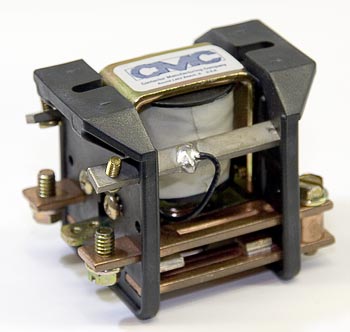
Contactor CR 092080 for Crown electric lift trucks features 12VDC coil operation, single-pole normally open contacts, copper alloy contact material, and stud terminals for power connections. Designed specifically for compatible Crown electric forklift models with bolt-on base mounting configuration.
Specifications
Part Numbers & Compatibility
| Make | Crown |
| Part Number | CR 092080 |
| Manufacturer Part Number | CR 092080 |
Electrical Specifications
| Nominal Coil Voltage | 12VDC |
Additional Specifications
| Frame Material | Thermoplastic coil enclosure with metallic mounting base |
| Contact Type | Single-pole normally open |
| Contact Material | Copper alloy |
| Terminal Type | Stud terminals |
| Mounting Configuration | Bolt-on base |
Frequently Asked Questions
Q: Which Crown electric lift truck models is the CR 092080 compatible with?
A: The CR 092080 is compatible with Crown electric lift trucks including WRPN 60, WRPN 80, WRT 60 models.
Q: What material is used for the contacts in the CR 092080?
A: The CR 092080 features copper alloy contacts that provide durability and reliable electrical conductivity for long-term performance.
Q: How can I determine if the CR 092080 needs to be replaced?
A: Signs that the CR 092080 may need replacement include loss of motor engagement, inconsistent control response, or visible damage to the contact surfaces.
Q: Is the CR 092080 suitable for use in industrial settings?
A: Yes, the CR 092080 is designed for use in industrial environments with electric lift trucks that require reliable contactor performance.
Q: What should I check before replacing the CR 092080?
A: Before replacing the CR 092080, verify that it is the correct part for your equipment and check compatibility with your Crown electric lift truck model.