

Crown contactor for electric lift trucks
CR 92080
Couldn't load pickup availability
- Expert support & fitment help
- 30-day returns
- Fast Shipping
Compatibility
|
Make |
|
|---|---|
|
Model |
|
Visit our diagram page for part references to popular models
Product Description
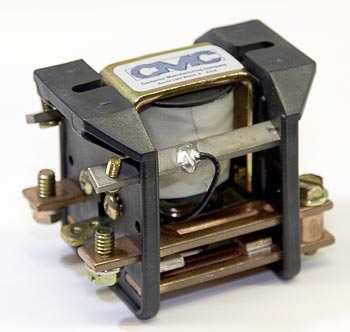
Crown OEM CR 92080 contactor for electric lift trucks. 12VDC heavy duty contactor, direct replacement in electric pallet jack drive systems. Flange mount, copper alloy silver-plated contacts, 5/16-18 UNC main terminals, rated 100A continuous duty.
Specifications
Part Numbers & Compatibility
| Make | Crown |
| Model | GPW, M Series, PE 3000, PE 4000, PE 4500, Wave, WP 2000, WP 2300, WP 3000 |
| Part Number | CR 92080 |
Electrical Specifications
| Rated Voltage | 12VDC nominal |
| Coil Voltage | 12VDC rated |
Performance Specifications
| Continuous Duty Rating | 100A |
Additional Specifications
| Maximum Switching Cycles | 100,000 cycles at nominal load |
| Contact Type | Copper alloy silver-plated contacts |
| Mounting Type | Flange mount |
| Main Terminal Size | 5/16-18 UNC |
Frequently Asked Questions
Q: What makes and models is the CR 92080 compatible with?
A: The CR 92080 is compatible with Crown electric lift trucks including the GPW, M Series, PE 3000, PE 4000, PE 4500, Wave, WP 2000, WP 2300, and WP 3000 models.
Q: What material is the CR 92080 made from?
A: The CR 92080 features copper alloy contacts with silver plating for durability and reliable electrical conductivity.
Q: How do I know when to replace the CR 92080?
A: Replace the CR 92080 if you notice signs of failure such as motor not responding to control input, intermittent drive loss, or audible clicking without motor engagement. Regular inspection and maintenance can help identify wear before it affects performance.
Q: Can the CR 92080 be used on different voltage systems?
A: No, the CR 92080 is designed specifically for 12vdc systems. Using it on 24vdc or 36vdc equipment can cause coil failure and potential contact welding. Always verify your system voltage before ordering.
Q: What is the expected lifespan of the CR 92080?
A: The CR 92080 is rated for 100,000 switching cycles at nominal load. Actual lifespan may vary based on usage and operating conditions.