

Traverse for Crown Manual Pallet Jack
CR 819174
Couldn't load pickup availability
- Expert support & fitment help
- 30-day returns
- Fast Shipping
Compatibility
|
Make |
|
|---|---|
|
Model |
- |
Visit our diagram page for part references to popular models
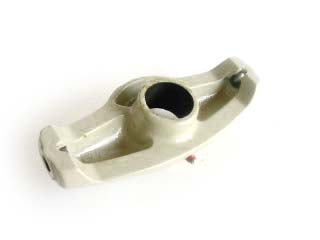
Product Description
TRAVERSE
Frequently Asked Questions
Q: What is a traverse and what does the CR 819174 do?
A: A traverse is the horizontal beam or structural assembly that spans the width of a pallet jack, supporting the load forks and transmitting lifting force to the hydraulic system. The CR 819174 is the OEM traverse component for Crown manual pallet jacks, providing structural rigidity and load distribution.
Q: Which Crown manual pallet jack models use the CR 819174 traverse?
A: The CR 819174 is designed for specific Crown manual pallet jack models. Traverse specifications vary across product lines in terms of width, thickness, material composition, and load rating. Verify your model and serial range match this part before ordering.
Q: What material is the CR 819174 traverse made from?
A: Crown OEM traverses are manufactured from steel or ductile iron designed to handle the bending stresses generated by heavy pallet loads. The material composition and cross-sectional profile determine the traverse load rating and structural durability.
Q: What are the dimensions of the CR 819174 traverse?
A: Traverse dimensions include length, height, and thickness specifications that vary depending on the Crown manual pallet jack model. For exact dimensions, width, mounting hole locations, and load rating, reference the Crown parts diagram or contact us with your specific model information.
Q: What happens if the CR 819174 traverse is bent or cracked?
A: A bent or cracked traverse compromises load distribution and structural integrity. This can cause uneven load support, fork misalignment, and potential load drop hazards. A damaged traverse must be replaced. Do not attempt to weld or repair cracks, as this weakens the assembly and creates safety risk.