

Toyota Seal Kit for Manual Pallet Jacks
00591-57682-81
Guaranteed Fit. Check fit with us before you buy. If we confirm it fits your machine and it doesn’t, we’ll exchange or refund it: no restocking fee, return shipping on us. How it works
Not sure it fits? Send us your make, model and serial number and we’ll check it before you buy.
Couldn't load pickup availability
- Expert support & fitment help
- 30-day returns
- Fast Shipping
Compatibility
|
Make |
|
|---|---|
|
Model |
- |
Visit our diagram page for part references to popular models
Product Description
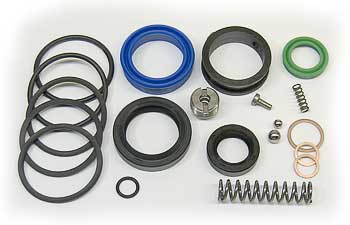
Toyota 00591-57682-81 complete CR seal kit for manual pallet jack hydraulic cylinder maintenance. Includes rod and piston seals, designed for oil-resistant performance at up to 3000 PSI, compatible with Toyota manual pallet jacks.
Specifications
Part Numbers & Compatibility
| Make | Toyota |
| Part Number | 00591-57682-81 |
| Manufacturer Part Number | 00591-57682-81 |
| Compatibility | Toyota manual pallet jacks |
Additional Specifications
| O-Ring Material | Nitrile rubber (NBR), shore A70-90 hardness |
| Wear Ring Material | Acetal resin |
| Max Pressure | 3000 PSI |
Frequently Asked Questions
Q: What does part number 00591-57682-81 contain?
A: Part number 00591-57682-81 is a complete seal kit for Toyota manual pallet jack hydraulic cylinders. It includes rod and piston seals necessary for hydraulic system maintenance and pressure containment.
Q: What materials are the seals in this kit made from?
A: The seals are constructed from nitrile rubber (nbr) and acetal resin. These materials provide oil resistance and durability required for hydraulic systems.
Q: Which Toyota manual pallet jack models is this seal kit compatible with?
A: This seal kit is designed for Toyota manual pallet jack hydraulic cylinders. It is compatible with multiple Toyota hand jack models. Verify your equipment model and hydraulic cylinder specifications before ordering to confirm compatibility.
Q: What is the pressure rating of this seal kit?
A: This seal kit is rated for oil-resistant performance at pressures up to 3000 psi. This pressure rating matches standard Toyota manual pallet jack hydraulic system specifications.
Q: What are signs that the cylinder seals need replacement?
A: Replace seals when the pallet jack exhibits slow lifting, inability to hold load, visible hydraulic oil leaking from the cylinder, or jerky lifting action. These symptoms indicate seal degradation and require immediate maintenance to prevent system failure.
Q: How long do these seals typically last?
A: Under normal warehouse use, nitrile seals typically last 2-4 years or until oil contamination or seal degradation occurs. Frequency of use, operating temperature, and hydraulic fluid quality affect seal lifespan. Regular maintenance and fluid checks extend seal life.