

Lift Linkage for Crown GPW
CR 042514
Couldn't load pickup availability
- Expert support & fitment help
- 30-day returns
- Fast Shipping
Compatibility
|
Make |
|
|---|---|
|
Model |
|
Visit our diagram page for part references to popular models
Product Description
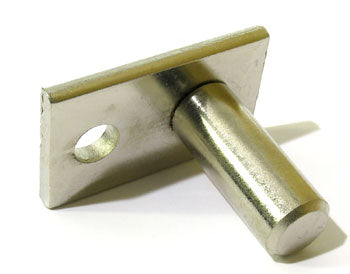
Shaft, Freezer / Corrosion
Compatibility: Fits pallet jacks made by Crown, model GPW. SKU: CR 042514
Specifications
Product Overview
| Part Number | CR 042514 |
| Product Type | Shaft |
Physical Specifications
| Corrosion Protection | Enhanced corrosion resistance for low-temperature, moisture-rich environments |
| Primary Benefit | Rust and corrosion resistance in freezer applications |
Compatibility
| Application | Freezer / Cold Storage Duty |
| Compatible Equipment | Crown GPW Electric Pallet Jacks |
Frequently Asked Questions
Q: What is the CR 042514 freezer shaft designed for?
A: The CR 042514 is a freezer-duty shaft engineered for Crown GPW electric pallet jacks in cold storage and freezer applications. It provides corrosion resistance and performance stability in low-temperature, moisture-rich environments.
Q: What Crown equipment does the CR 042514 fit?
A: The CR 042514 freezer shaft is compatible exclusively with Crown GPW series electric pallet jacks. Verify your equipment model is Crown GPW before ordering to ensure correct fitment.
Q: What corrosion protection specifications does the CR 042514 have?
A: The CR 042514 features material and finish specifications that enhance corrosion resistance in freezer duty. The shaft resists rust, salt spray damage, and galvanic corrosion better than standard shafts in prolonged cold and moisture exposure.
Q: What are signs the CR 042514 shaft needs replacement?
A: Replace the CR 042514 if you observe visible rust or pitting despite corrosion protection, bending or permanent deformation, squealing or grinding noises during operation, or loss of smooth rotational movement.
Q: How does the CR 042514 compare to the CR 042513?
A: Both CR 042513 and CR 042514 are freezer-duty shafts for Crown GPW equipment. Consult Crown parts diagrams or contact our parts team to confirm which shaft application matches your specific equipment configuration and position.
Q: Is maintenance different for the CR 042514 in freezer duty?
A: Keep the CR 042514 clean and remove moisture and ice buildup regularly. Inspect for condensation damage when equipment transitions between temperature zones. Regular maintenance prevents premature corrosion and ensures optimal performance.