
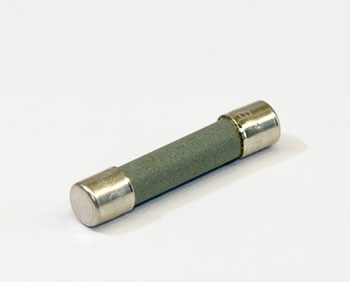
Crown 094362-002 Ceramic Fuse for PE 3000 Pallet Trucks
CR 094362-002
Electric motors are model-, voltage-, rotation-, mounting-, shaft-, and sometimes serial-number specific. Installing an incompatible motor may result in equipment damage, electrical damage, or unsafe operation.
Before ordering, confirm:
- Equipment make and model
- Serial number (if applicable)
- Operating voltage
- Rotation direction (CW / CCW)
- Shaft diameter and length
- Mounting pattern and flange type
If you’re unsure, contact us before purchasing with your equipment details.
Non-Refundable Item: Motors are non-refundable. Please verify compatibility before purchasing.
Couldn't load pickup availability
- Expert support & fitment help
- 30-day returns
- Fast Shipping
Compatibility
|
Make |
|
|---|---|
|
Model |
|
Visit our diagram page for part references to popular models
Product Description
Crown 094362-002 is a fast-acting, 15 A, 250 V AC/125 V DC ceramic fuse with nickle-plated brass end caps, designed for electrical circuit protection in Crown PE 3000 pallet trucks. No cross-reference part numbers identified. UL listed.
Compatibility: Fits pallet jacks made by Crown, model Wave. SKU: CR 094362-002
Specifications
Electrical
| Current Rating | 15 A |
| Voltage Rating | 250 V AC, 125 V DC |
| Fuse Type | Fast-Acting |
Material & Construction
| Body Material | Ceramic |
| End Cap Material | Nickel-plated brass |
Compatibility
| Compatible Models | Crown PE 3000, Crown Wave |
Product Identification
| Part Number | 094362-002 |
| Certification | UL Listed |
Frequently Asked Questions
Q: What is the CR 094362-002 fuse and what does it protect?
A: The CR 094362-002 is a fast-acting ceramic fuse rated 15A at 250V AC and 125V DC with nickel-plated brass end caps. It protects electrical circuits in Crown PE 3000 pallet trucks from overload and short circuit conditions.
Q: Is the CR 094362-002 compatible with Crown Wave pallet trucks?
A: Yes, the CR 094362-002 fits Crown PE 3000 pallet trucks and Crown Wave models. Verify your specific truck model and serial range to confirm this 15A fuse is the correct replacement for your equipment.
Q: What are the voltage and current ratings for this fuse?
A: The CR 094362-002 is rated 15A, 250V AC, and 125V DC. This rating must match your truck electrical system exactly. Using a fuse with incorrect voltage or amperage ratings will result in inadequate circuit protection or equipment damage.
Q: What materials are used in the CR 094362-002 construction?
A: The CR 094362-002 fuse has a ceramic body with nickel-plated brass end caps. The ceramic construction provides reliable electrical isolation and heat resistance. This design is UL listed and meets safety standards for material handling equipment.
Q: Why does the fuse keep blowing?
A: Repeated fuse failure indicates an electrical problem in the truck circuit, not a fuse defect. Common causes include short circuits, overloaded circuits, or failed components drawing excessive current. Diagnose and repair the underlying electrical fault before replacing the fuse again.