
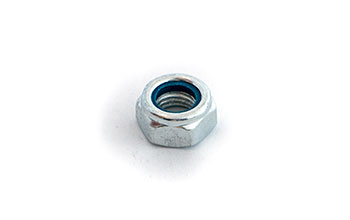
Nut for Mitsubishi PW23
CT 50009837
Couldn't load pickup availability
- Expert support & fitment help
- 30-day returns
- Fast Shipping
Compatibility
|
Make |
|
|---|---|
|
Model |
|
Visit our diagram page for part references to popular models
Product Description
Mitsubishi Nut, part number CT 50009837, is a genuine replacement component for electric lift trucks. Compatible with Mitsubishi model PW23 W and equivalent to CAT Lift Trucks 50009837. Suitable for critical fastener applications within electric lift truck assemblies.
Specifications
Part Numbers & Compatibility
| Make | Mitsubishi |
| Model | PW23 |
| Part Number | CT 50009837 |
| Manufacturer Part Number | 50009837 |
| Cross-Reference Part Numbers | Equivalent to CAT Lift Trucks 50009837 |
Frequently Asked Questions
Q: What equipment is CT 50009837 compatible with?
A: CT 50009837 is designed for use on Mitsubishi electric lift trucks. It fits the PW23 model and is interchangeable with other parts that meet the same specifications.
Q: What material is CT 50009837 made from?
A: CT 50009837 is manufactured from high-strength steel, which provides durability and resistance to corrosion in electric lift truck environments.
Q: When should CT 50009837 be replaced?
A: Replace CT 50009837 if it shows signs of wear, such as stripped threads or damage. Ensure it maintains proper clamping force on fastened components.
Q: What are the cross-reference part numbers for this nut?
A: CT 50009837 is equivalent to cat lift trucks part number 50009837. Both parts are interchangeable and meet the same specifications for Mitsubishi PW23 lift trucks.
Q: Is CT 50009837 suitable for use on other lift truck brands?
A: CT 50009837 is specifically designed for Mitsubishi electric lift trucks. While it may fit other models with similar thread sizes, verify compatibility with your equipment specifications before use.