

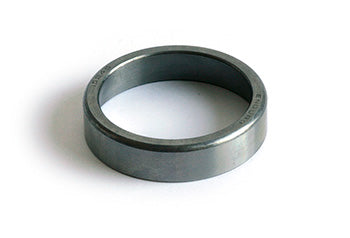
Cup Bearing for Manual Pallet Jack
CK654162
Couldn't load pickup availability
- Expert support & fitment help
- 30-day returns
- Fast Shipping
Compatibility
|
Make |
- |
|---|---|
|
Model |
- |
Visit our diagram page for part references to popular models
Product Description
CK654162 is a cup, bearing component used in manual pallet jack parts, specifically designed for replacement in pallet jack wheel assemblies. Supplied as an OEM part under Liftsplus.com brand with validated SKU and product category.
Specifications
Part Numbers
| Manufacturer Part Number | CK654162 |
| OEM Part Number | CK654162 |
Frequently Asked Questions
Q: What is the CK654162 bearing cup component and how does it function?
A: The CK654162 is a cup-style bearing component used in pallet jack wheel assemblies. The cup forms the outer race that holds and guides the rolling elements (balls or rollers) within a tapered or cylindrical bearing assembly, providing structural support and rotational guidance for the wheel.
Q: Which manual pallet jack models use the CK654162 bearing cup?
A: The CK654162 is designed as a replacement bearing cup for manual pallet jacks and hand carts from common OEM manufacturers. Verify your equipment model and wheel assembly documentation to confirm compatibility before ordering, as bearing cup sizes and seat types vary across manufacturers.
Q: What material is the CK654162 bearing cup made from?
A: Bearing cups in pallet jack wheel assemblies are typically manufactured from chrome steel or alloy steel for strength and wear resistance under industrial load conditions. Steel cups provide hardness and dimensional stability required for reliable rolling element guidance.
Q: How do I know if the CK654162 bearing cup needs replacement?
A: Signs of bearing cup wear include grinding or squealing noises from the wheel, rough or notchy rotation, wobbling or play in the wheel assembly, or visible pitting and corrosion on the cup surface. A damaged cup increases friction and reduces load-handling capacity, requiring replacement.
Q: What is the expected lifespan of a bearing cup in normal warehouse operations?
A: Bearing cup lifespan depends on load frequency, operator handling, and maintenance practices. In typical warehouse use, bearing cups perform reliably for 18 to 36 months. Heavy-use environments with constant loading or poor equipment maintenance may reduce this interval significantly.