

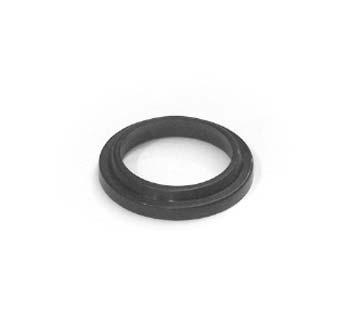
Wiper for Dayton Pallet Jack Model 3KR84
WW PM-21P
Guaranteed Fit. If it doesn’t fit equipment that matches the listing on this page, we’ll exchange or refund it: no restocking fee, return shipping on us. How it works
Not sure it fits? Check it with us before you buy. Once we confirm the fit in writing, it’s guaranteed for your machine.
Couldn't load pickup availability
- Expert support & fitment help
- 30-day returns
- Fast Shipping
Compatibility
|
Make |
|
|---|---|
|
Model |
|
Visit our diagram page for part references to popular models
Product Description
Wiper
Compatibility: Fits pallet jacks made by Dayton, model 3KR84. SKU: WW PM-21P
Frequently Asked Questions
Q: What pallet jacks does the WW PM-21P wiper fit?
A: The WW PM-21P wiper is compatible with Dayton manual pallet jacks, specifically model 3KR84. This wiper is part of the steering assembly. Confirm your equipment model before ordering.
Q: What is the purpose of a pallet jack wiper?
A: The wiper seals and protects the steering pivot from dirt, moisture, and debris. It extends the life of the pivot axle and steering components by preventing contamination from entering the steering mechanism.
Q: Can the WW PM-21P be used on equipment other than Dayton model 3KR84?
A: No. This wiper is engineered specifically for Dayton model 3KR84 dimensions and mounting. Using it on other models or brands may result in improper sealing, misalignment, or early failure.
Q: What material is the WW PM-21P wiper made from?
A: The wiper is typically manufactured from elastomer or reinforced rubber compound designed to withstand repeated flexing and maintain a dynamic seal. Material selection ensures performance in temperature ranges common to warehouse and distribution operations.
Q: When should I replace the WW PM-21P wiper?
A: Replace the wiper when it becomes cracked, hardened, torn, or stops sealing effectively. Visual inspection may reveal gaps between the wiper and pivot housing. A failed wiper accelerates wear to underlying steering components.
Q: What happens if the wiper is not replaced when worn?
A: Contaminants will infiltrate the steering assembly, leading to increased pivot axle wear, difficult steering response, and potential steering failure under load. Preventive replacement is more cost-effective than repairing secondary damage.