

Nylon load roller assembly for Dayton 4YX97
DA B35-N-97
Guaranteed Fit. If it doesn’t fit equipment that matches the listing on this page, we’ll exchange or refund it: no restocking fee, return shipping on us. How it works
Not sure it fits? Check it with us before you buy. Once we confirm the fit in writing, it’s guaranteed for your machine.
Couldn't load pickup availability
- Expert support & fitment help
- 30-day returns
- Fast Shipping
Compatibility
|
Make |
|
|---|---|
|
Model |
|
Visit our diagram page for part references to popular models
Product Description
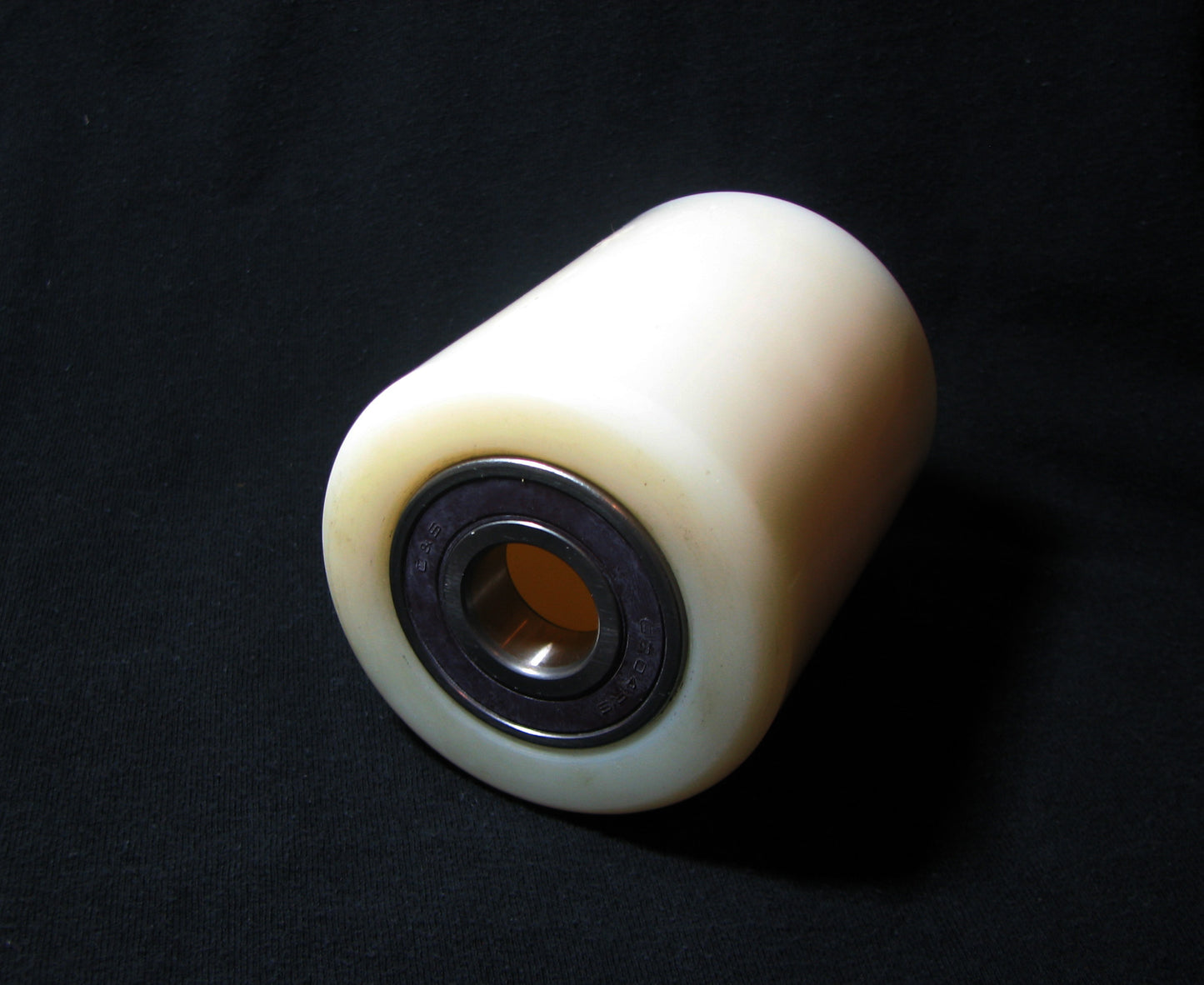
Dayton DA B35-N-97 is a nylon load roller assembly designed for Dayton manual pallet jacks, providing rolling contact for load transfer.
Compatibility: Fits Dayton pallet jacks, model 4YX97. Part number: DA B35-N-97
Specifications
Material & Construction
| Material | Nylon |
Part Numbers & Compatibility
| Make | Dayton |
| Model | 4YX97 |
| Primary Application | Material handling equipment |
| Part Number | DA B35-N-97 |
| Category Compatibility | Fits pallet jacks made by Dayton, model 4YX97. |
Additional Specifications
| Compatible with Model | 4YX97 pallet jack (Note: No cross-reference model number found in search results) |
| Roller Material | Solid nylon |
Frequently Asked Questions
Q: What is the DA B35-N-97 and what is it designed for?
A: The DA B35-N-97 is a solid nylon load roller assembly designed for manual pallet jack applications. It provides rolling contact to support load transfer.
Q: What model is the DA B35-N-97 compatible with?
A: The DA B35-N-97 is compatible with Dayton pallet jack model 4YX97.
Q: What are the benefits of nylon construction in the DA B35-N-97?
A: Solid nylon construction offers lightweight operation, noise reduction, corrosion resistance, and good wear characteristics. Nylon rollers perform well across various floor surfaces and environments without damaging equipment or flooring.
Q: Is the DA B35-N-97 suitable for cold storage operations?
A: Nylon rollers can maintain flexibility and performance in cold storage environments. For extreme cold conditions, verify that the material is suitable for the specific operating environment.
Q: When should the DA B35-N-97 be replaced?
A: Replace the DA B35-N-97 when the roller surface shows wear or damage that may affect rolling contact or load transfer. Confirm compatibility with Dayton model 4YX97 before ordering a replacement.