

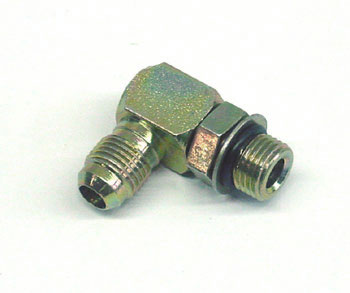
Elbow 90 Degrees for Hyster Electric Lift Truck
HY 3050323
Couldn't load pickup availability
- Expert support & fitment help
- 30-day returns
- Fast Shipping
Compatibility
|
Make |
|
|---|---|
|
Model |
- |
Visit our diagram page for part references to popular models
Product Description
ELBOW 90 DEGREES
Frequently Asked Questions
Q: What are the port sizes and thread types on 90 degree elbow HY 3050323?
A: Elbow HY 3050323 port sizes vary depending on the hydraulic circuit application. Common sizes include 0.5 inch, 0.75 inch, and 1.0 inch ports with either SAE J518 flange, NPT pipe thread, or SAE J1453 hose fitting formats. Verify your system port size and thread standard before ordering. Contact us with your equipment model to confirm exact thread configuration.
Q: What is the maximum pressure rating for elbow HY 3050323?
A: Pressure rating depends on material grade, port diameter, and connection type. Most material handling hydraulic elbows are rated between 2000 and 3500 PSI. Exceeding rated pressure causes hose failure or fitting rupture, creating hazardous spray conditions. Always verify pressure rating against your system specification. Contact us for exact working pressure limits for your model.
Q: Which lift truck brands use 90 degree elbow HY 3050323?
A: HY 3050323 is designed for Hyster hydraulic systems. It may also fit Crown, Toyota, Raymond, Yale, Linde, Jungheinrich, and BT lift trucks with compatible port sizes and thread standards. Cross-fitment depends on matching port diameter, thread type, and pressure rating. Verify dimensions and thread specifications match your equipment before ordering.
Q: What material is elbow HY 3050323 made from?
A: Hydraulic elbows are typically forged steel or ductile iron with zinc plating for corrosion resistance. Forged steel provides superior pressure handling and durability in high-cycle applications; ductile iron offers cost efficiency for lower-pressure circuits. Material selection depends on working pressure and environmental exposure. Contact us for material composition of your specific serial range.
Q: How do I know if elbow HY 3050323 needs replacement?
A: Replace the elbow if you observe hydraulic fluid leakage at the connection point, corrosion with pitting, visible cracks, or if hose fittings cannot be tightened adequately. Slow leaks reduce system pressure and performance. Fast leaks create fire hazard and environmental contamination. Even small seeps warrant immediate replacement to prevent hydraulic system failure.